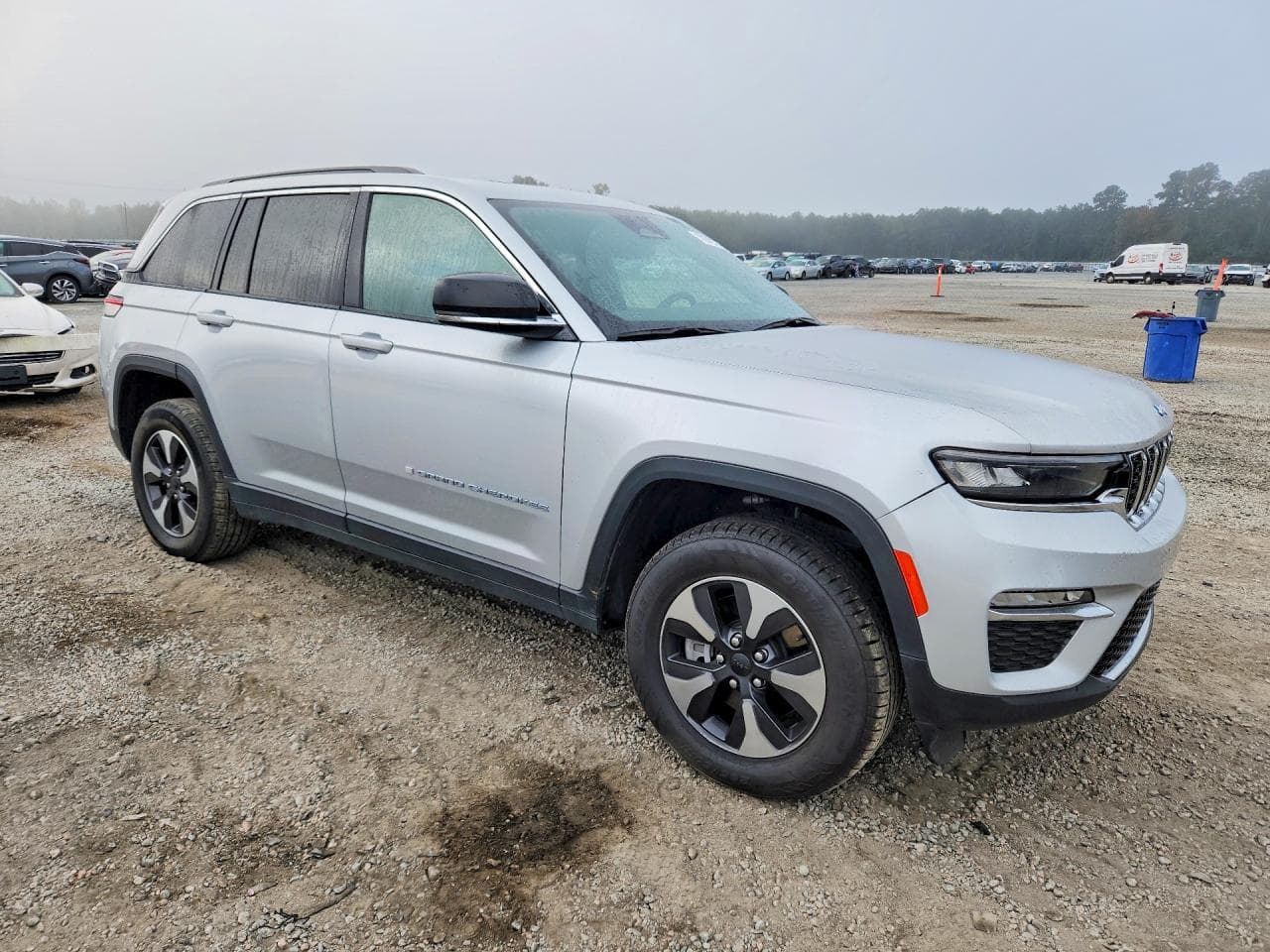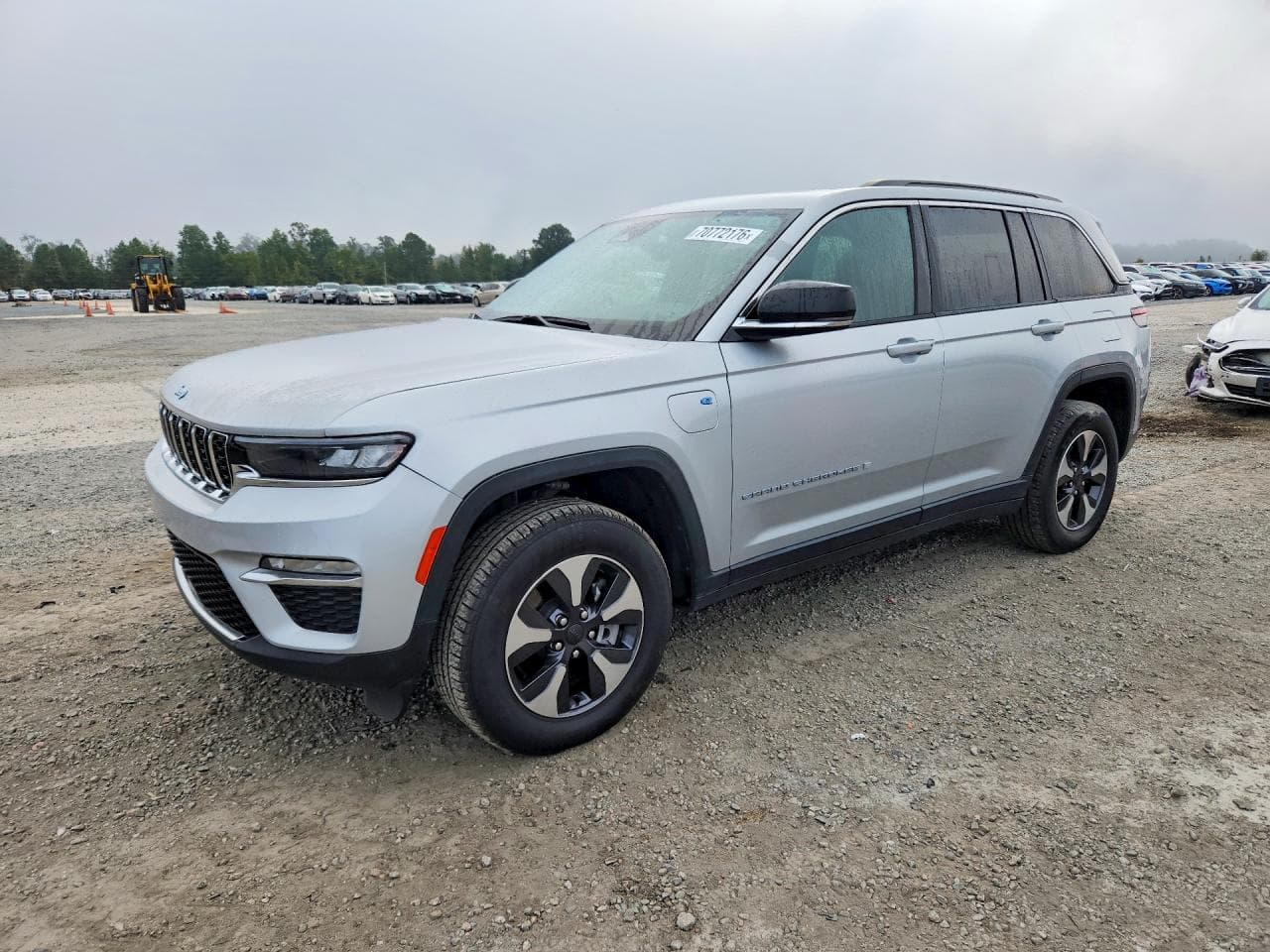
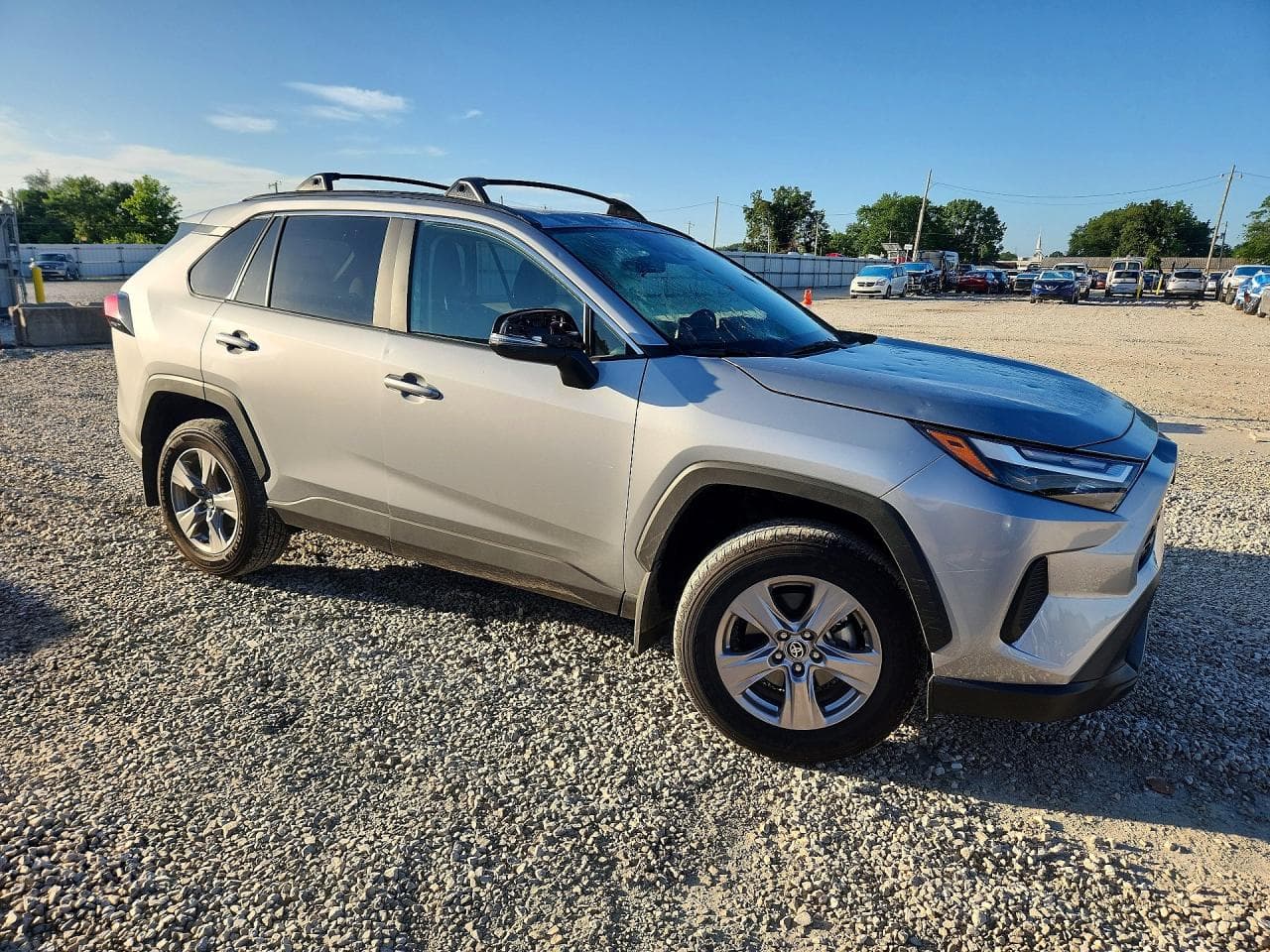
This IAAI guide for buyers explains how Insurance Auto Auctions (now branded IAA) works from the buyer's side of the screen. Alongside Copart, it's one of the two big US auctions for insurance vehicles: wrecked, recovered-theft, hail, flood, and plain used cars sell there every week, and you can buy without a dealer license through a broker. Below you'll learn IAAI's own vocabulary, how its sale formats work, and how to figure out what a car will really cost you.
What IAAI is and what it sells
IAAI operates branches across the US, plus Canada and other markets. Each branch takes in vehicles, photographs them, assigns condition codes, and lists them online. You bid over the internet, and the vehicle stays at the branch until it's paid for and picked up.
As the name suggests, the business grew up around insurance. Most of the inventory is vehicles an insurer declared a total loss. You'll also find:
- Recovered thefts, some nearly untouched.
- Hail, flood, fire, and vandalism vehicles.
- Units from lenders, rental companies, fleets, and dealers.
- Charity donations.
- Motorcycles, trucks, heavy equipment, and more.
Day to day, IAAI and Copart sell very similar cars. What differs is how the information is presented, some sale formats, and the fee schedules. For a direct comparison, read Copart vs IAAI and our Copart guide for buyers.
How to read an IAAI listing
On IAAI each vehicle is identified by a stock number (Stock #) along with its VIN. The listing brings together photos, branch details, and condition codes. As with any auction, it's what was recorded at intake, not a full mechanical inspection.
Loss type: why the car is here
One of IAAI's most useful fields is loss type: the reason the vehicle ended up at auction. Collision, theft, flood, hail, fire, vandalism, and others.
Loss type adds context. A car with "front end" primary damage and a "collision" loss type tells one story. A car with "minor" damage and a "flood" loss type tells a very different one, even if the photos look clean. Flood cars can carry electrical problems no photo will show.
Primary and secondary damage
Primary damage is the main damaged area or type; secondary damage is the next most visible. IAAI uses familiar categories: front end, rear, side, roof, all over, mechanical, electrical, hail, water, burn, normal wear, and more.
The label describes what's visible. To understand how much each type can hide, see auction car damage types.
Start code: Run & Drive, Starts, or Stationary
Instead of Copart-style "highlights," IAAI assigns each vehicle a start code:
- Run & Drive: when the branch checked it, the car started (sometimes with a jump box), went into gear, and moved forward.
- Starts (or Engine Start): the engine ran, but forward movement wasn't confirmed.
- Stationary: no movement was attempted or achieved. Treat it as a non-runner.
That's a snapshot of one moment. A dead battery, worsening damage, or just weeks in storage can change it. Many listings add engine-start videos, which help you listen for knocks or misfires, but they aren't a guarantee either.
Keys and airbags
The keys field shows whether a key is present or missing. Present doesn't mean it works or that there's a spare. Missing means budgeting for a programmed key and, sometimes, a pricier tow.
Some IAAI listings also note airbag status (intact or deployed). Deployed airbags push repair costs up fast: modules, sensors, dash, and sometimes seat belts.
Sale document (title)
The sale document tells you what paperwork you'll get and from which state: clean, salvage, certificate of destruction, parts-only, or another state-specific document. It's the single biggest factor in whether you can register, export, or import the car. Review what a salvage title means before deciding.
Odometer
You'll see the mileage and whether it's actual, exceeds mechanical limits, not actual, or exempt. Always cross-check it with a vehicle history report by VIN.
Seller, ACV, and repair estimate
Some listings show the seller (an insurer or lender, for example), an actual cash value (ACV), and an estimated repair cost. They're references, not a shop quote.
Branch and auction date
The branch is where the car physically sits. It drives towing cost, the state's title rules, and sometimes whether the public can bid. The auction date tells you when it sells; in live sales the car also gets a lane and a run order.
Photos, 360 view, and condition reports
Many IAAI vehicles include a 360 view of the exterior and interior, which feels close to walking around the car. Some vehicles also come with condition reports or more detailed inspections, depending on the branch and seller. If a listing has one, read every line. If it doesn't, don't assume anything you can't see in the photos.
For a structured pre-bid review, use how to inspect an auction car before bidding.
IAAI sale formats
IAAI runs several formats, and not every vehicle is in every one. The listing tells you which applies.
Pre-bid
In the days before the sale you can place a pre-bid with your maximum. The highest pre-bid becomes the opening point when the car comes up live.
Live online auction
On sale day the branch runs its online auction by lanes, and vehicles come up in order. Bids climb quickly, so show up with your ceiling decided. The logic is close to what we cover in how Copart bidding works, though IAAI's interface and bid increments are its own.
Buy Now
Some vehicles carry a Buy Now price. Accept it and the car is yours with no bidding. Compare that price with recent sales of similar vehicles before you take it.
Timed auctions
For certain inventory IAAI uses timed auctions: the vehicle takes bids until a set closing time, with no live round. Double-check the closing time and the branch's time zone.
Reserves and seller approval
Some vehicles sell with no minimum, while others are subject to seller approval if the winning bid doesn't meet the reserve. In that case the seller can accept, reject, or negotiate. Until the sale is confirmed, the car isn't yours.
IAAI fees and total cost
IAAI charges its own fees on top of the sale price: a tiered buyer fee, online bidding charges, a gate or handling fee, service fees, and others that depend on buyer type, title, and payment method. IAAI's schedule is not the same as Copart's, and it changes over time. Always check the current version before you bid.
To give you a sense of scale, here are the reference figures RCA uses in its calculator, taken from Copart's schedule (secured payment, non-clean title). They are not IAAI's fees, but they show how quickly auction charges add up:
| Fee (Copart reference) | Amount |
|---|---|
| Buyer fee | e.g. $860 on an $11,900 purchase; 6% from $15,000 up |
| Virtual bid fee | Up to $160 |
| Gate fee | $95 |
| Environmental fee | $15 |
| Title mailing fee | $15 |
Then come the costs outside the auction: broker fee, towing from the branch, storage if you're late, paperwork, and repairs. If the car stays in the US, add your state's sales tax, title, and registration; if you export it, add freight and the destination country's taxes. The full breakdown is in the true cost of auction cars, and you can run your numbers in the auction cost calculator.
A simple way to build your number is in three layers: what you pay the auction (price plus IAAI fees), what it takes to get the car in your hands (broker fee plus towing), and what comes after for your situation (repairs, plus your state's tax and registration, or freight and destination taxes if you export).
Registration, licensing, and why buyers use a broker
To bid directly on IAAI you have to register as a buyer. IAAI lets the public buy some vehicles, but many are reserved for licensed buyers, and the rules depend on the branch's state and the title type. Buying direct can also involve registration or membership fees and document requirements.
With RCA Auto Broker you skip that. RCA acts as the go-between and bids for you through an account with access to those vehicles, so you don't need a dealer license. What doesn't change is what your state or country allows you to do with the car afterward: title it, repair it, export it, or import it. That's why we review the sale document with you before bidding. More in how to buy without a dealer license; the article uses Copart as the example, but the same logic applies to IAAI.
Payment, pickup, and storage at IAAI
Once you win, in general terms:
- Pay for the vehicle and fees within a few business days.
- Pick up the car from the branch within the stated window, with your own carrier or one your broker arranges.
- Miss the window and daily storage kicks in, possibly with other late charges.
Deadlines and amounts vary by branch, and IAAI can change them, so confirm them on every purchase. Have a tow or carrier quoted before you win, especially if the branch is far from you.
How to buy from IAAI through RCA
Everything runs in the RCA web app (app.rcaautobroker.com, in your browser, nothing to download):
- Search Copart + IAAI with filters for year, price, mileage, damage, title type, keys, and location.
- Open the listing: photos, primary and secondary damage, sale document, location, and a transport quote if you need one.
- Pull a vehicle history report by VIN and build your total budget in the calculator.
- Submit your max bid with a deposit: the greater of $1,000 or 10% of the bid. If you're outbid, the deposit returns to your balance.
- Follow it with bid tracking: Received → In offer → Bid sent → Won / Outbid.
- If you win, you pay and we coordinate ground transport through RCA Transport and the vehicle's paperwork.
RCA's broker fee is tiered by final price: $250 up to $5,000; $350 from $5,001 to $10,000; $500 from $10,001 to $20,000; $700 from $20,001 up. Dealer plan members pay $50 less per purchase.
If you're exporting
If the vehicle won't stay in the US, everything in this guide applies the same way until you win. After that the steps change: confirming the sale document allows export, moving the car from the branch to the port, ocean freight, customs, and the destination country's taxes. RCA can coordinate that leg too. If the car is headed to the Dominican Republic, the full process is in our guide to importing a car from the USA to the Dominican Republic.
Tips for buying on IAAI
- Read loss type and primary damage together. Side by side, they tell the car's story better than either one alone.
- Use the 360 view and engine videos when they're available. Check the dash, carpets, trunk, and engine bay.
- Be suspicious of spotless photos on flood loss-type cars.
- Watch closing times on timed auctions, and the branch's time zone.
- Match the branch to your transport route. Two identical cars can have very different towing bills.
- Check the same model on Copart. Sometimes the car you want is at the other auction this week.
Common IAAI mistakes
- Confusing "Starts" with "Run & Drive." Running isn't driving.
- Skipping the sale conditions. A vehicle subject to approval may not be yours even if you win.
- Assuming fees match Copart's. Each auction has its own schedule.
- Overlooking deployed airbags when estimating repairs.
- Leaving transport for later. Storage is charged by the day.
Just getting started? Read how to start buying at auction, the overview on how to buy auction cars, and keep the auction glossary handy.
The bottom line
IAAI is a huge auction with its own language: stock number, loss type, start code (Run & Drive, Starts, Stationary), branch, 360 view, and several sale formats, from pre-bid to Buy Now and timed auctions. Understanding those fields, working out the total cost with fees, transport, repairs, and taxes, and respecting payment and pickup deadlines is what separates a good buy from a headache.
RCA Auto Broker is the go-between for you and the auction. You search IAAI and Copart in one app, bid without a dealer license, and we track your car until it leaves the branch. Before you bid, build your budget in the auction cost calculator.
Frequently asked questions
What is IAAI?
IAAI, now branded as IAA (Insurance Auto Auctions), is one of the two largest vehicle auctions in the US. Most of its inventory is insurance total losses, plus repossessions, fleet and rental units, dealer vehicles, and donations.
What does 'Run & Drive' mean on IAAI?
It's a start code. It means that when the branch checked the vehicle, it started, went into gear, and moved forward. 'Starts' means the engine ran but movement wasn't confirmed, and 'Stationary' means it didn't move. None of them is a mechanical guarantee.
Can I buy from IAAI without a dealer license?
IAAI lets the public buy some vehicles depending on the state and title, but many require a license. Through a broker like RCA Auto Broker you can bid without a dealer license from any US state.
What is 'loss type' on an IAAI listing?
It's the reason the vehicle came to auction: collision, theft, flood, hail, fire, or something else. It gives context about damage that may not show up in the photos.
Are IAAI fees the same as Copart fees?
No. IAAI has its own fee schedule based on price tier, buyer type, and payment method, and it can change. Always check the current schedule and work out your total cost before bidding.
What is Buy Now on IAAI?
It's a fixed price offered on some vehicles. Accept it and you buy the car without going through the auction. Compare that price with recent sales of similar vehicles first.
How long do I have to pick up a car from IAAI?
IAAI gives a few business days to pay and remove the vehicle, then daily storage charges begin. Deadlines vary by branch and can change, so arrange transport before you win.
Ready to look at real lots?
Search Copart and IAAI, see the total cost with our fee in plain sight, and track your bid from the app.