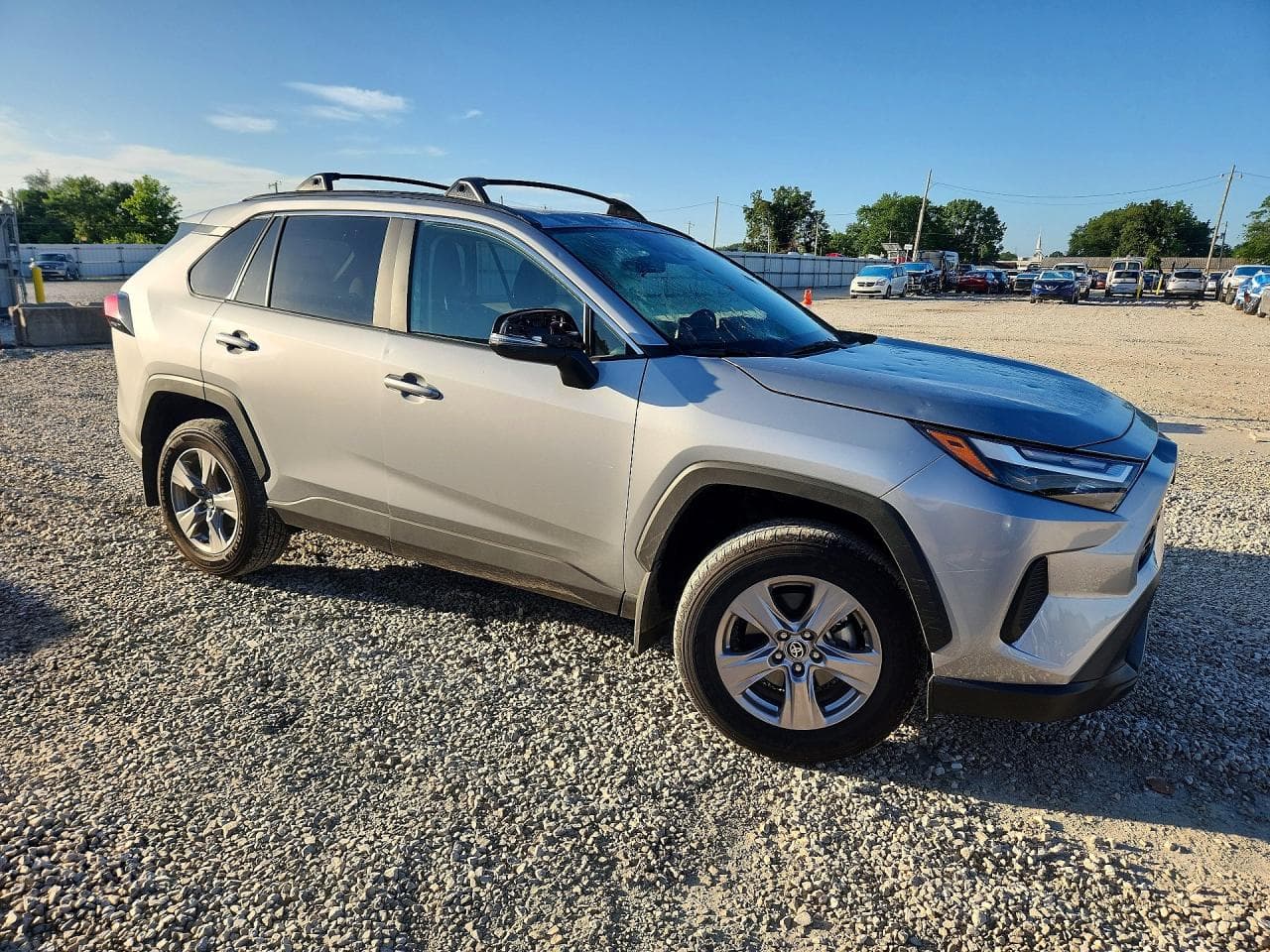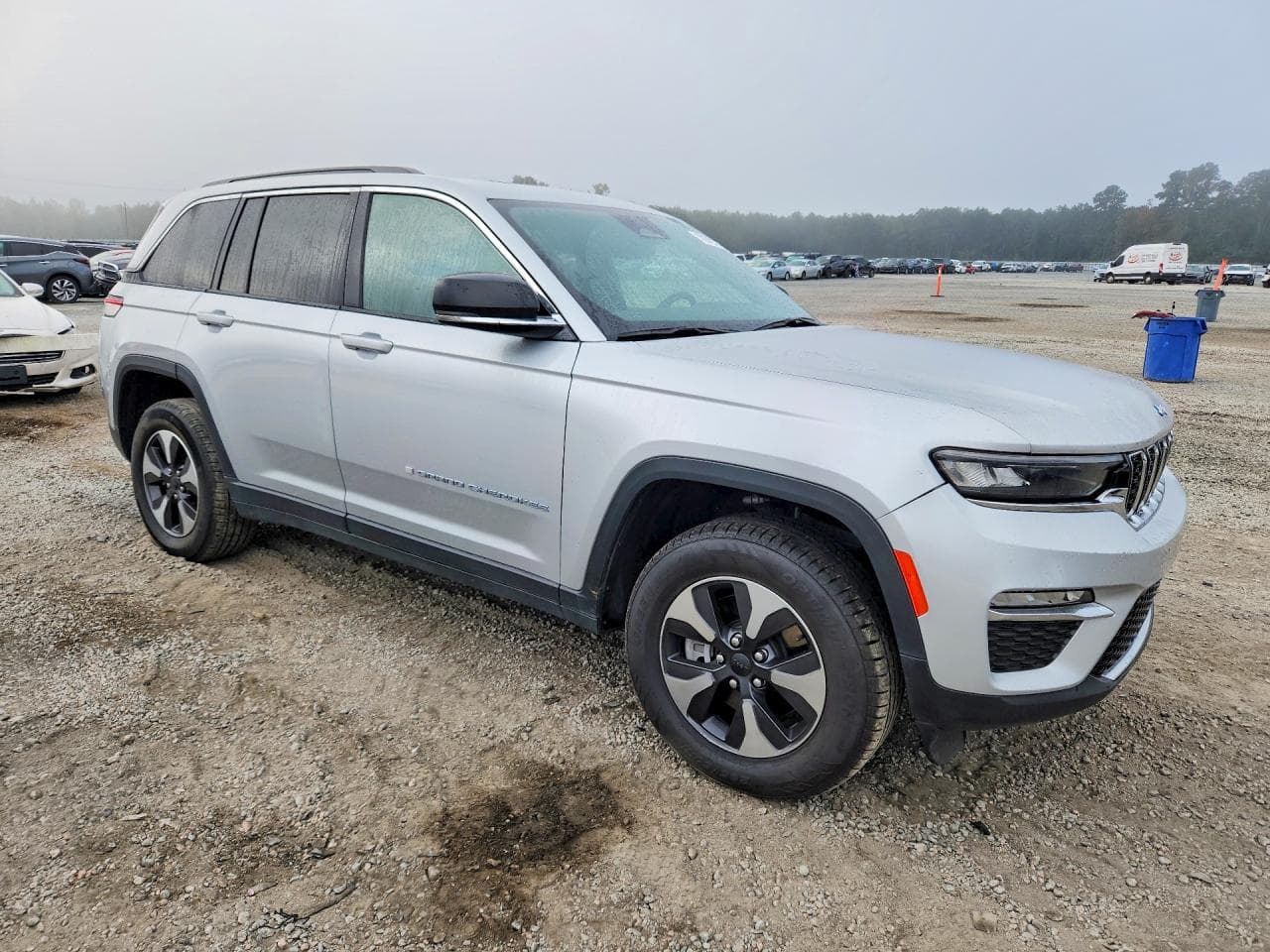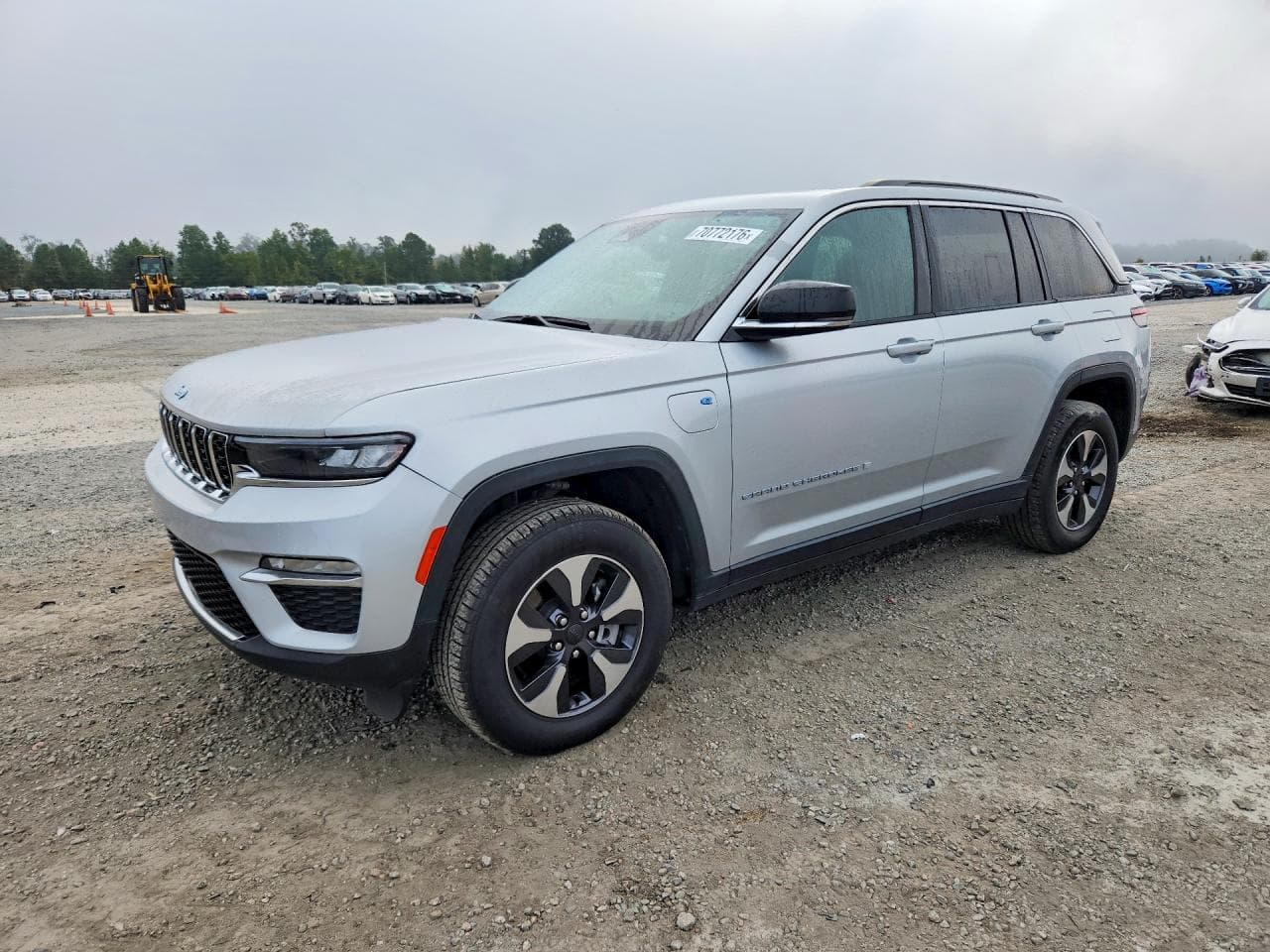
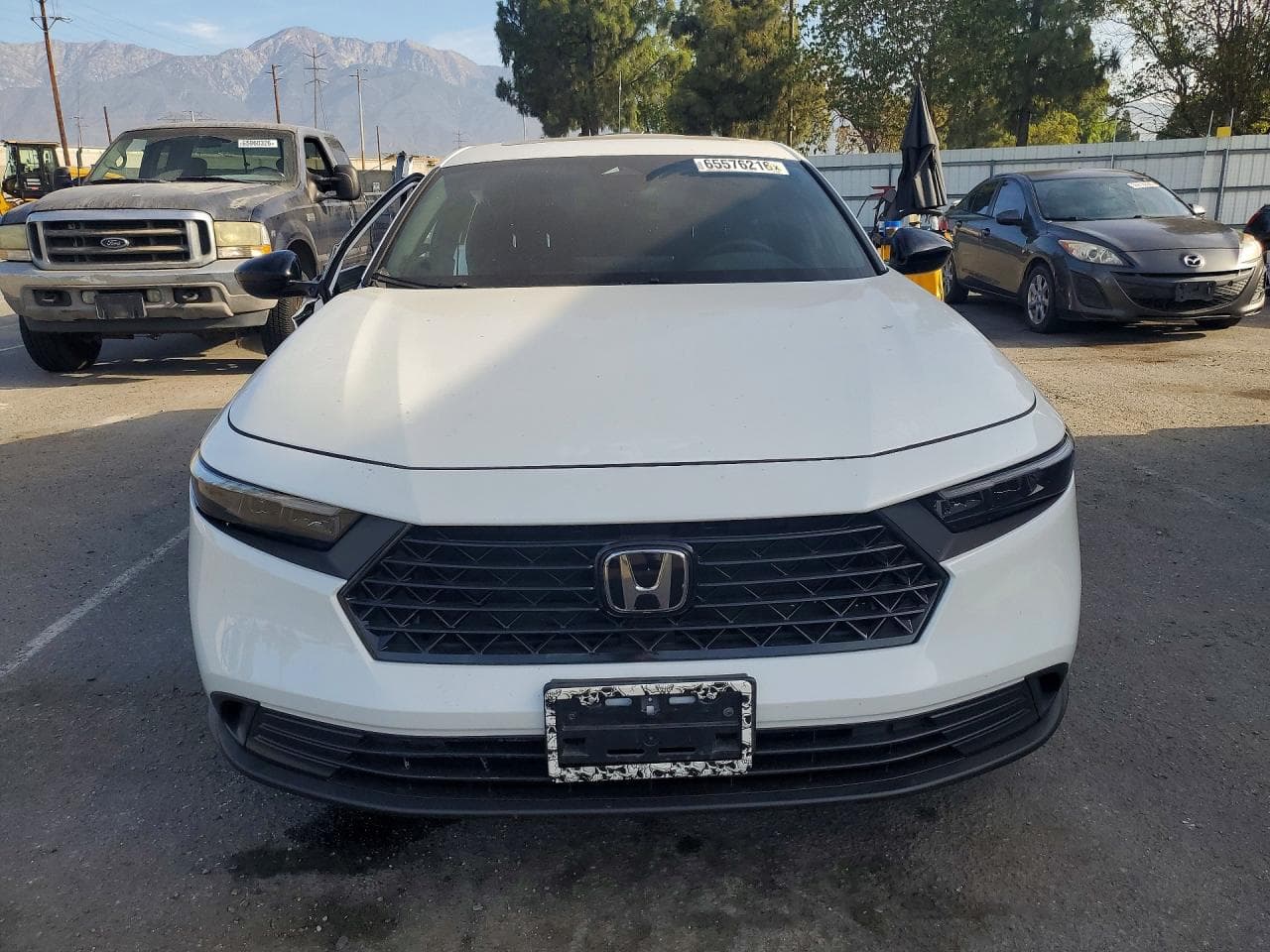
A salvage title is a title brand showing that a vehicle was declared a total loss, usually by an insurance company, after a crash, flood, hail, theft, or other damage. It doesn't mean the car is destroyed. It means repairs would have cost too much relative to the car's value. It's also the most common title type you'll see at Copart and IAAI.
Here's what a salvage title means in practice, how it compares to other titles, and what to check before you buy one.
What a salvage title is and why it exists
When an insured car takes serious damage, the insurer weighs the repair cost against the car's value. If repairs cross a certain line, the car is declared a total loss: the owner gets paid and the insurer takes the vehicle.
That line isn't the same everywhere. Some states use a fixed percentage of the car's value; others use a formula that adds repair cost to salvage value. So two cars with similar damage can end up with different titles depending on the state.
The state then rebrands the title as salvage (or something similar), and the insurer sells the car, usually at auction. That's how thousands of vehicles reach Copart and IAAI every week.
What a salvage title doesn't tell you
- How much damage there is. It could be heavy structural damage or cosmetic damage that was just expensive to fix.
- Whether the engine runs. The lot listing gives a hint on that, nothing more.
- The same thing in every state. Names and rules vary from one state to the next.
Title types you'll see at auction
On Copart and IAAI, the "sale document" or "title type" field is one of the first things to read. The most common ones:
| Title type | What it generally means |
|---|---|
| Clean | Never declared a total loss. Registers normally. |
| Salvage / salvage certificate | Declared a total loss. Must be repaired and inspected before it's road legal. |
| Rebuilt / reconstructed | Was salvage, repaired, and approved by the state. Can be registered with that brand. |
| Non-repairable / junk / certificate of destruction | Meant for parts or scrap. In many states it can never be titled for the road again. |
Exact names vary: some states issue a "salvage certificate," others a "certificate of title – salvage," and some add brands like "flood." Always read the document exactly as it appears on the lot.
Salvage vs. rebuilt title: the difference that matters
People mix these up, but they're really two stages of the same path:
- Salvage: the car was declared a total loss. This is how you buy it at auction.
- Repair: the car gets fixed, and you keep invoices and parts receipts.
- State inspection: depending on the state, an inspector checks the repair, where the parts came from, and sometimes safety items.
- Rebuilt: if it passes, the state issues a rebuilt or reconstructed title and the car can be registered and driven.
The rebuilt brand stays on the title for good. The car can be used like any other, but that brand lowers resale value and some insurers limit coverage.
Pros and cons of buying a salvage title car
Buying salvage can make sense, as long as you go in with realistic expectations.
The upside
- Lower purchase price than a comparable clean-title car.
- More inventory: a large share of auction listings carry salvage titles.
- Export potential: many salvage cars are exported, but each country has its own rules. A salvage-title car can't be shipped to the Dominican Republic; it needs a rebuilt title first, as covered below.
The trade-offs
- Repair costs can climb quickly if there's hidden damage.
- Paperwork: in the US you'll need to pass your state's inspection before driving it.
- Resale value: a total-loss history usually means a lower price down the road.
- Insurance: some carriers only offer liability coverage on rebuilt cars.
- Financing: many lenders won't finance salvage vehicles.
There's no guaranteed savings. The outcome depends on the car, the repair, and your total costs.
A good rule of thumb: get a rough repair estimate before you set your max bid, not after you win. If the purchase price plus fees plus repairs lands close to what a clean-title version sells for, the deal probably isn't worth the extra hassle.
What to check before buying a salvage car at auction
Before bidding on a salvage title vehicle, look at least at:
- The exact document and the state where the car sits. Make sure you can register it where you live, or export it to where it's going.
- Primary and secondary damage. The listing shows both; compare them against the photos.
- Flood signs: water lines, rust in odd places, replaced carpet. Water damage tends to cause more trouble than a collision.
- Airbags. If they deployed, budget for them; replacement isn't cheap.
- Vehicle history. A vehicle history report by VIN shows prior accidents, title changes, and odometer readings.
For a fuller checklist, see how to inspect an auction car before bidding and our breakdown of auction car damage types.
Can you buy a salvage car without a dealer license?
In many states, salvage-title vehicles can only be sold to licensed dealers. That's why so many of these lots show up as restricted when you browse Copart as a member of the public.
The way in is through a broker who bids for you. We cover the full process in how to buy from Copart without a dealer license.
Salvage titles and exporting to the Dominican Republic
If you plan to take the car to the DR, this one matters. Decree 671-02 prohibits importing vehicles in salvage condition, and the DGA has reissued that rule in official circulars: a vehicle in that condition is not admitted for road use in the country and may be seized on arrival.
In practice, a salvage-title car can't be shipped to the DR. Before it leaves the US it has to be repaired, pass the state inspection, and get a rebuilt title. If you buy a salvage car with the DR in mind, the repairs, inspection, and new title all come before shipping and belong in your budget. Skip non-repairable or parts-only lots, and confirm the details of your case with your customs agent. The full picture is in our guide to importing a car from the USA to the Dominican Republic.
Then budget for everything: purchase, auction fees, transport to the port, ocean freight, and customs.
As an example, a 2023 Honda Accord that leaves the US with a rebuilt title could land near a $26,046 total budget once you add purchase, fees, transport, titling, freight to Caucedo, and estimated taxes. That's an example, not a quote. Dominican customs (DGA) sets the final taxes; see how they're calculated in our guide to Dominican Republic car import taxes.
The bottom line
A salvage title isn't a red flag on its own. It tells you an insurer wrote the car off, not that it can't be fixed. What makes it a good or bad buy is the actual damage, the exact document, your state's or country's rules, and your full budget.
At RCA Auto Broker, we help you filter by title type, review the lot details, pull a vehicle history report, and calculate your total cost before you bid. As your broker between you and the auction, our job is to make sure you buy with clear information.
Frequently asked questions
Can you drive a car with a salvage title?
In most states you can't register or drive it on public roads until it's repaired, passes a state inspection, and gets a rebuilt or reconstructed title. The exact rules depend on the state.
Can a salvage title car be exported?
Many salvage vehicles are exported, but every country sets its own rules. The Dominican Republic, for example, does not admit vehicles in salvage condition: the car has to be repaired, inspected and get a rebuilt title in the US before it can ship there. Check the destination's customs rules before you bid.
What's the difference between salvage and rebuilt?
Salvage means the car was declared a total loss and hasn't been cleared for the road. Rebuilt means it was repaired and passed the state's inspection, so it can be registered again.
Ready to look at real lots?
Search Copart and IAAI, see the total cost with our fee in plain sight, and track your bid from the app.