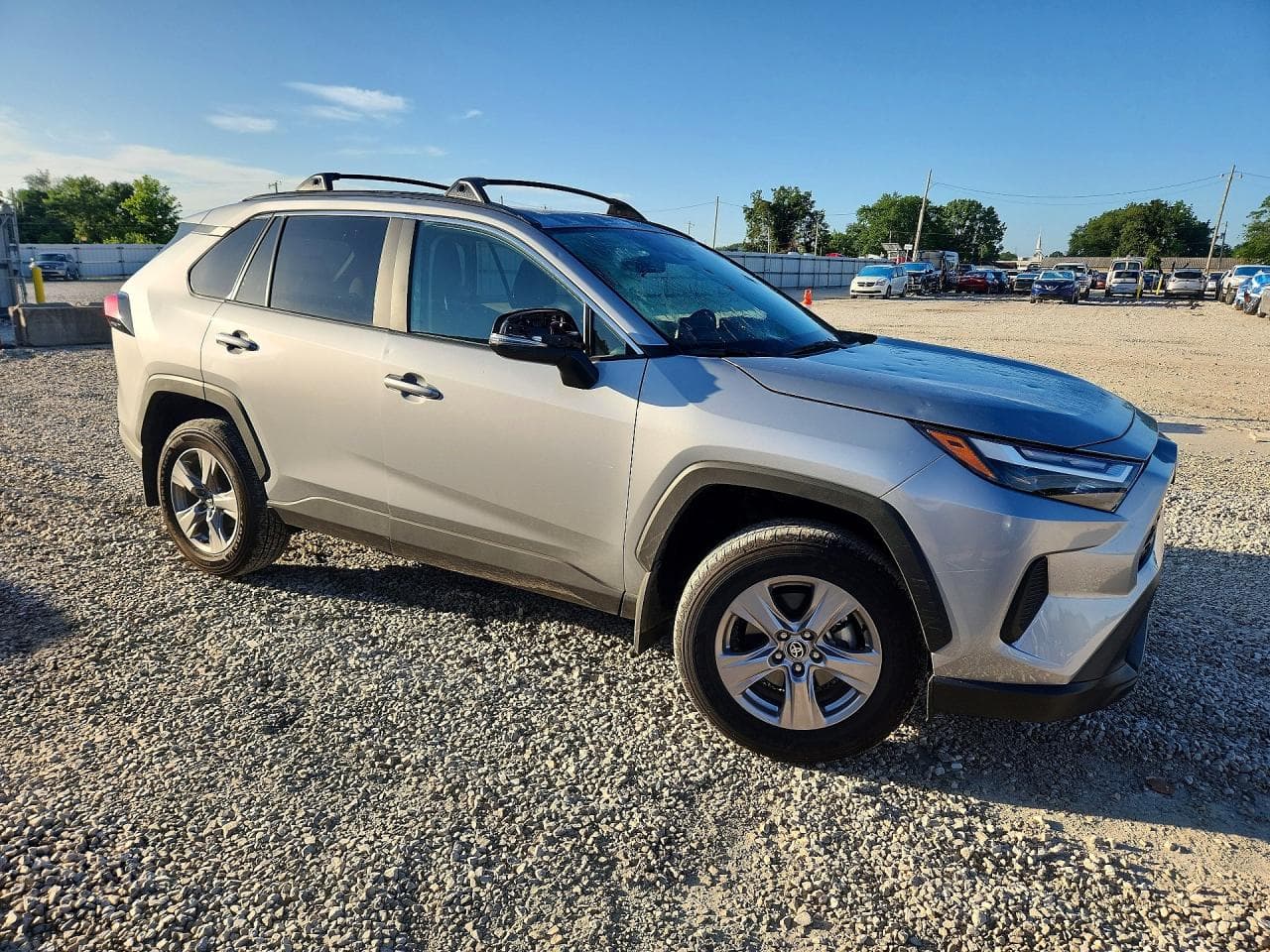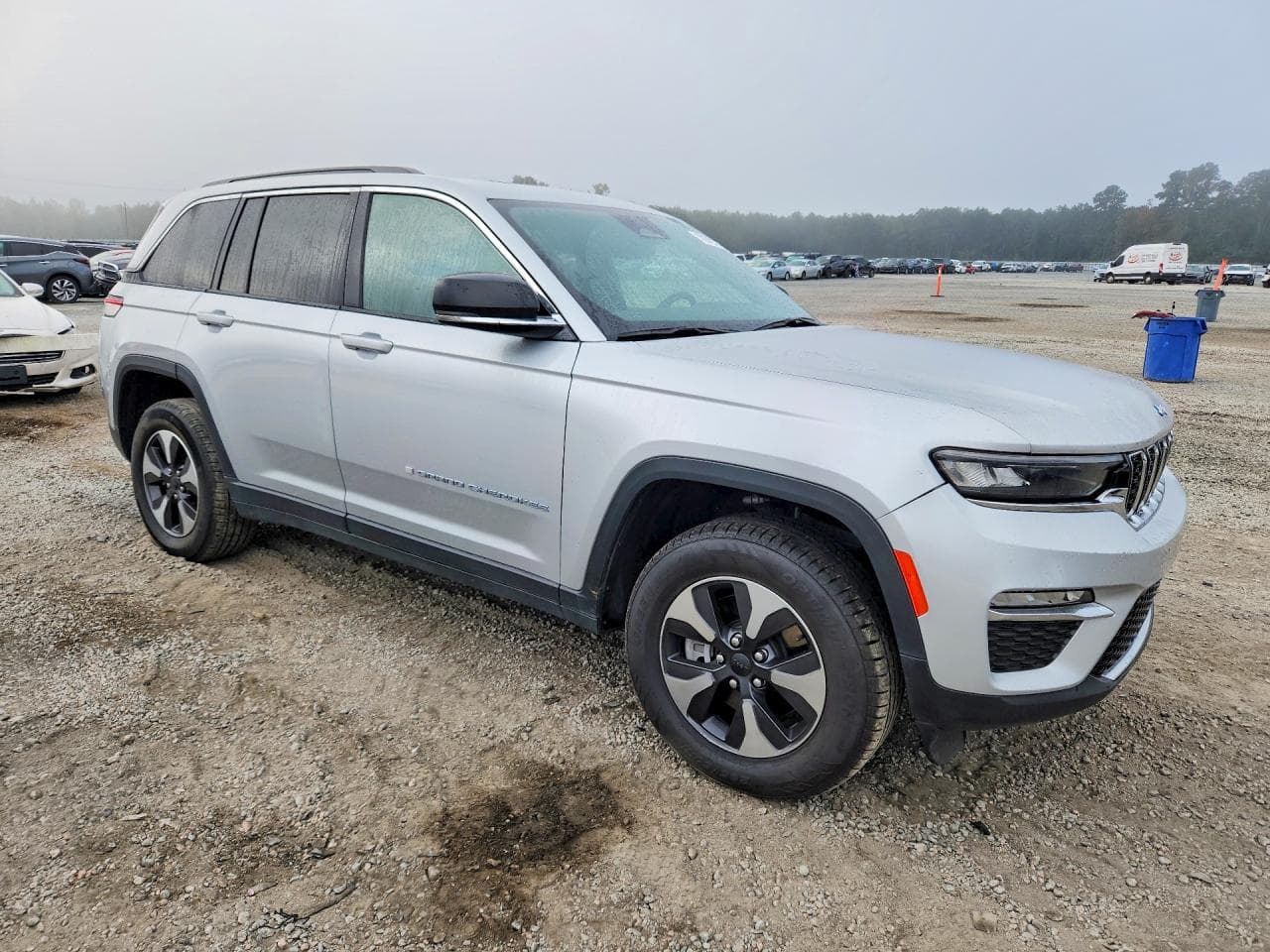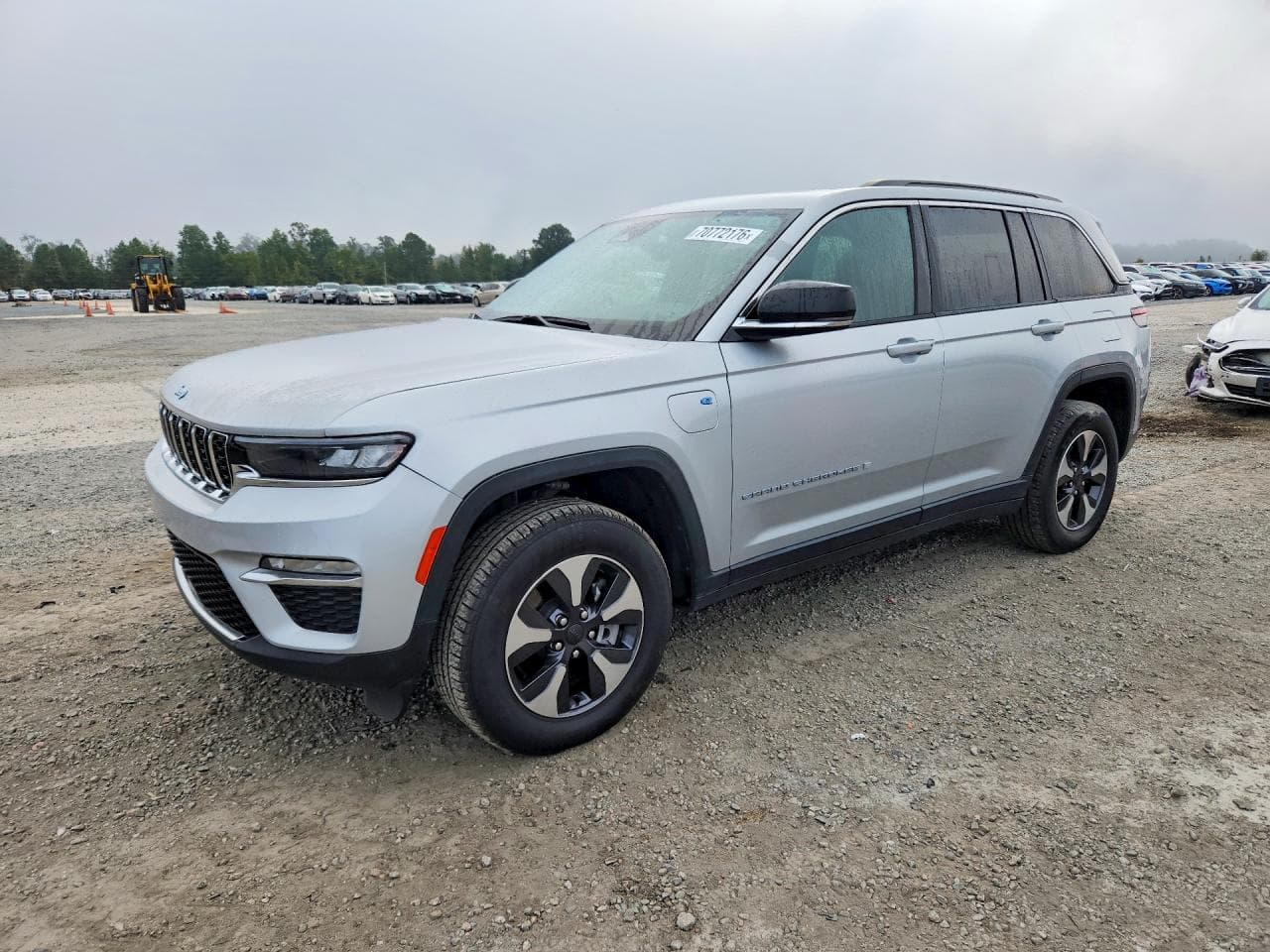
If you want to buy auction cars in the USA, you're tapping into one of the biggest sources of used vehicles in the country: insurance write-offs, fleet returns, repos and dealer trade-ins sold every week on Copart and IAAI. You don't need a dealer license if you buy through a broker, and the process works whether you plan to keep the car in the US or export it. This guide covers what you should understand before your first bid: what you're actually buying, what it really costs, how the process works and how to keep risk in check.
What auction cars are and where they come from
An auction car is a vehicle someone needs to sell quickly and in volume. Most come from insurance companies that paid out a claim and took ownership of the car. Others come from banks recovering a loan, companies cycling out fleet vehicles, leasing companies and dealers clearing inventory.
That's why a single auction can hold very different cars:
- Collision vehicles with front, side or rear damage.
- Water, hail or fire damage.
- Theft recoveries, sometimes nearly untouched.
- Normal-wear vehicles that simply came off a fleet or a lease.
What they share is that they're sold as-is, with no warranty and only the information the auction publishes. That's the opportunity and the risk in one: prices are attractive because the buyer takes on the job of evaluating the car.
Why people buy at auction
It depends on the buyer. Some want a daily driver for less money. Some buy to repair and resell locally. Dealers use auctions to stock their lots. And some buyers ship cars overseas, because the US market offers a range of makes, models and years that's hard to find elsewhere.
Who can buy auction cars
This is the first question almost everyone has. Copart and IAAI sell many lots only to buyers with a dealer or business license. Some lots are open to the public, but they're a limited slice of the inventory and the rules vary by state.
The workaround is to buy through a broker: a company registered as a buyer with the auction that bids in your name. You pick the car and set your maximum bid; the broker places the bid. If you win, the vehicle is purchased through the broker's account and handed over to you with the sale documents.
With RCA Auto Broker:
- Anyone can buy, no dealer license required.
- It works from any US state, so you can keep the car where you live.
- You can also buy from the Dominican Republic, without traveling.
For the full walkthrough, read how to buy from Copart without a dealer license.
Copart and IAAI: the two main auctions
There are plenty of vehicle auctions in the US, but two dominate the insurance-vehicle market: Copart and IAAI (Insurance Auto Auctions). Both run yards in nearly every state, sell thousands of lots a week and let you bid online.
| Copart | IAAI | |
|---|---|---|
| Inventory sources | Insurers, banks, fleets, dealers | Insurers, banks, fleets, dealers |
| How bidding works | Pre-bids plus live online auction | Pre-bids plus live online auction |
| Fees | Its own tiered fee schedule | Its own schedule, different from Copart's |
| Lot information | Photos, primary and secondary damage, title type | Photos, damage, title type, sometimes extra condition detail |
That table is a broad overview; specific rules change and should be checked lot by lot. The practical advice: search both for the same type of car. A model that's pricey at one yard may show up closer to you, or with lighter damage, at the other.
For a deeper side-by-side, see Copart vs IAAI. To master each platform, read our full Copart guide and IAAI guide.
Title types: the first thing to check
The title (sale document) decides what you can do with the car after you buy it. It matters as much as the damage, often more.
Clean or clear title
No total-loss brand. These usually sell higher at auction, but they're the simplest to register and resell.
Salvage certificate or salvage title
The insurer declared the car a total loss. It can be repaired, but the history stays branded, and getting it back on the road usually means passing whatever inspection your state requires. It's the most common title at Copart and IAAI. Learn the details in what is a salvage title.
Certificate of destruction or non-repairable
Depending on the state, these mean the car is not meant to be driven again and is intended for parts or scrap. Before bidding on one, confirm it works for your plan.
Bill of sale and other documents
Some lots sell with only a bill of sale, or with out-of-state paperwork that carries its own rules. That's not automatically bad, but you need to verify what's allowed where you'll register the car.
The rule is simple: if you don't understand a lot's title, don't bid yet. Ask first. Our car auction glossary defines the terms you'll see on lot pages.
Damage types and how to read them
Each lot lists a primary damage and sometimes a secondary damage. That's the auction's label, not a shop diagnosis. The most common:
- Front end: can involve the radiator, airbags, suspension and, in serious cases, the frame.
- Side: doors and panels; watch the pillars and side airbags.
- Rear end: often more manageable, but check the trunk floor.
- Hail: dents across the roof, hood and panels; mechanically the car may be fine.
- Water/flood: among the riskiest, because of electronics and long-term corrosion.
- Normal wear: no reported collision; often fleet or lease vehicles.
Photos help, but they don't show everything. A "minor" front hit can hide structural damage, and a car with no visible damage can still have mechanical problems. Dig deeper in auction car damage types before you decide.
What an auction car really costs
The big number on the lot page is the bid, not the price you'll pay. Mandatory purchase charges stack on top, and then come the costs that depend on where the car ends up:
- Purchase price (the winning bid).
- Auction fees: a tiered buyer fee, virtual bid fee, gate fee, environmental fee and title mailing fee. As a reference, on the Copart schedule RCA uses (secured payment, non-clean title) the buyer fee is $860 on an $11,900 purchase and 6% from $15,000 up; the virtual bid fee runs up to $160, the gate fee is $95, the environmental fee $15 and the title mailing fee $15. These are reference figures and can change.
- Broker fee: at RCA it's $250 up to $5,000; $350 from $5,001 to $10,000; $500 from $10,001 to $20,000; and $700 from $20,001 up ($50 less on the Dealer plan).
- Storage if the car isn't picked up from the yard in time.
- Towing to your home or your shop.
- Repairs, which depend on the damage and where you fix it.
Example: the auction purchase cost
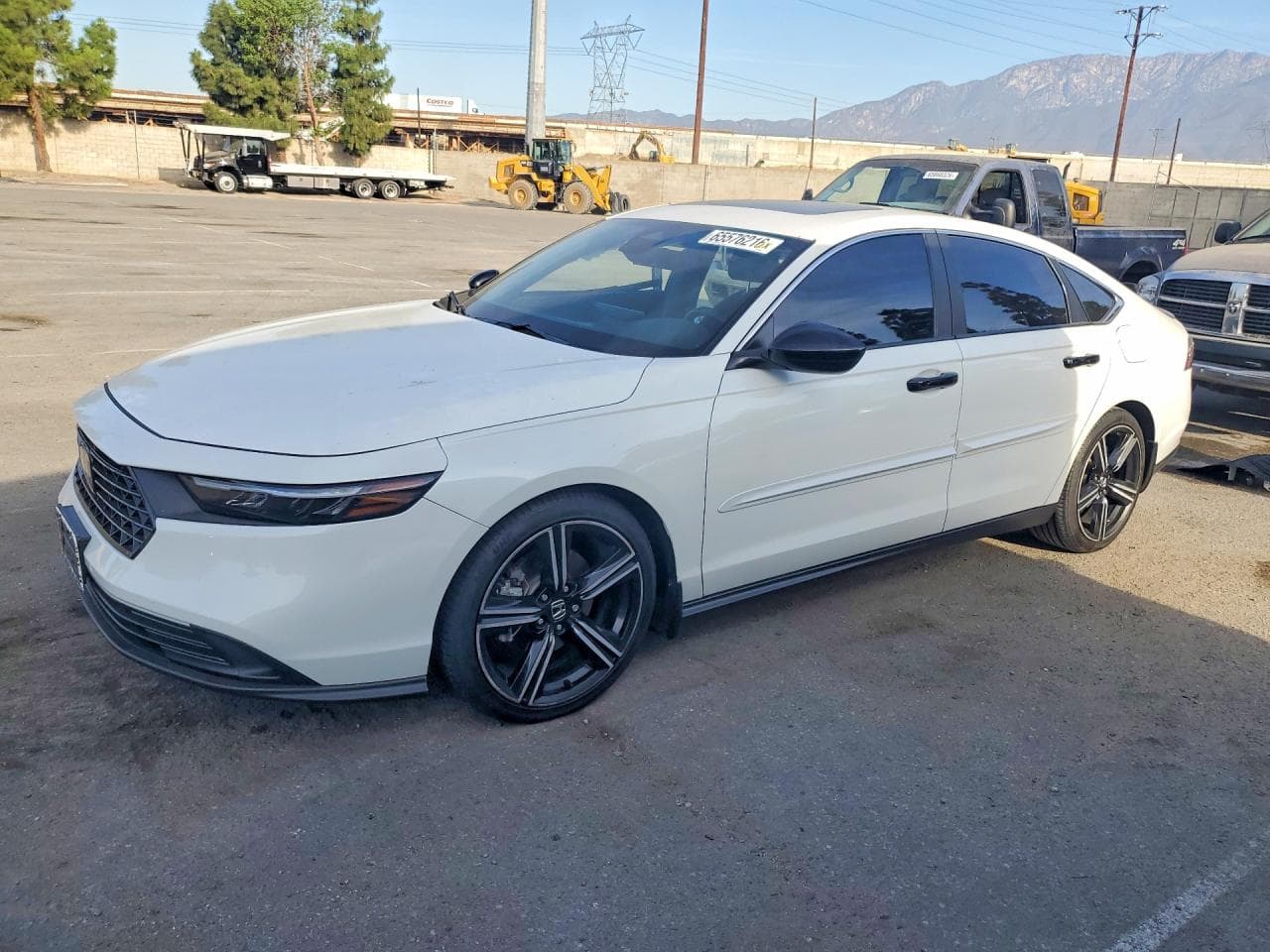
This is a sample budget, not a quote: a 2023 Honda Accord Sport Hybrid at Copart (California), with a rebuilt title.
| Item | Amount (example) |
|---|---|
| Purchase price | $11,900 |
| Buyer fee | $860 |
| RCA broker fee | $500 |
| Towing | $650 |
| Purchase cost (approx.) | $13,910 |
It's simplified: other auction fees and repairs aren't included. Even so, the car already costs about $2,000 more than the bid before you've done anything to it.
What gets added depending on where the car goes
- If you keep it in the US: add your state's sales tax, title and registration fees, plus inspection if the title is salvage. Each state sets its own amounts and rules.
- If you export it: instead of those, you add ocean freight and destination import taxes, which can be a large share of the total. See the export section below.
For every line in detail, read the true cost of auction cars. The golden rule: set your maximum bid from the total cost, never the other way around. That's what the auction cost calculator is for.
How buying with RCA works, step by step
Here's what a purchase with RCA Auto Broker looks like from start to finish. Everything runs in the app (app.rcaautobroker.com), which opens in your browser with nothing to download.
1. Search
The search tool pulls Copart and IAAI lots into one place, with filters for year, price, mileage, damage type, title type, keys and state or location. Filtering by state helps you find cars near you and keep towing costs down.
2. Inspect the lot
The lot page shows photos, primary and secondary damage, the sale document and the yard location. You can order a vehicle history report by VIN as a PDF to check prior accidents, title changes and reported mileage. Our guide on how to inspect an auction car before bidding walks you through it.
3. Calculate the total
The Total Budget Calculator adds up the purchase, buyer fee, gate and storage, broker fee, transport, paperwork and repairs. That total tells you how much you can bid.
4. Assisted bid with a deposit
Once you settle on your maximum bid, you place a deposit: the greater of $1,000 or 10% of that bid. Then you follow it in bid tracking: Received → In offer → Bid sent → Won or Outbid. If you're outbid, the deposit returns to your balance for the next one. For the mechanics of the auction itself, read how Copart bidding works.
5. Payment
If you win, the balance and charges are paid within the auction's deadline, which is usually short. Having funds ready before you bid avoids late penalties.
6. Pickup and towing
With RCA Transport you create a ground transport order from the yard to your address or your shop. Moving fast here avoids storage charges. Once you have the car and documents, you title and register it in your state.
If the car isn't staying in the US, steps 1 through 5 are the same; what changes is where the tow goes and what happens next.
If you're exporting the car
Plenty of buyers, especially in the Dominican Republic, buy at US auctions to import the car. You can do it without traveling, and the search, inspection and bidding process is the same as above. What changes:
- The tow goes to the port instead of your driveway. Each lot page quotes shipping to DR ports (Caucedo, Río Haina and Puerto Plata).
- Ocean freight is added, and on arrival, import taxes. In the DR they're calculated from the vehicle's reference value in the customs (DGA) database, not from what you paid at auction.
- The export CRM shows every stage: Purchase → Transport → Shop → Paperwork → Inspection → Customs → Arrived in DR → Closed.
Here's the same car delivered to the DR. This is a sample budget, not a quote: a 2023 Honda Accord Sport Hybrid at Copart (California), with a rebuilt title. Purchase $11,900 + buyer fee $860 + broker fee $500 + towing $650 + titling (rebuilt title) $700 + freight to Caucedo $1,150 + estimated DR taxes of $10,286. Approximate total: $26,046. If you bought it to keep in the US, you'd drop the titling, freight and DR taxes and add your state's costs instead.
Before bidding on a car for export, make sure its reference value makes sense to import and that it has a clean or rebuilt title: a salvage-title car can't be shipped to the DR. The full process is in our guide to importing a car from the USA to the Dominican Republic, and you can estimate customs with the Dominican Republic import tax calculator. For more, see buying a US auction car from the Dominican Republic.
Risks of buying at auction and how to reduce them
Auction buying isn't for everyone, and it's better to know that going in. Here are the real risks and what you can do about each:
- Hidden damage. Photos don't show the frame or the inside of the engine. Reduce it: read the primary and secondary damage, study every photo, pull the history report and build a cushion into your repair budget.
- The wrong title for your goal. A document you can't register in your state kills the deal. Reduce it: confirm the title type and its rules before bidding.
- Costs you didn't count. Fees, storage, towing, taxes and registration can push the price up fast. Reduce it: run the total first, then set the max bid.
- Bidding on emotion. In a live auction it's easy to go "just a little higher." Reduce it: write down your ceiling and don't touch it during the sale.
- Delays and storage. If payment or towing lags, the yard charges by the day. Reduce it: have funds and transport lined up before you win.
- Resale assumptions. No profit is guaranteed; the market and repair costs can move your numbers. Reduce it: use realistic prices and don't plan around the best-case scenario.
No method removes risk entirely. What you can do is make every decision with real information and clear numbers.
Who buying auction cars is for
Personal buyers
If you want a car for yourself or your family and you're willing to repair it or live with a branded history, an auction can stretch your budget further. Start with simpler damage (hail, light rear damage, normal wear) and lots with keys near where you live. If it's your first time, follow our guide on how to start buying at auction.
Resellers and repair shops
If you have access to a shop and know resale prices in your area, auctions are a steady inventory source. Discipline is everything: price out the total cost and the repair before every bid, and don't fall in love with a lot.
Dealers
Dealers who buy often need speed and predictable costs. RCA's Dealer plan takes $50 off the broker fee on every purchase, and the app lets you manage multiple purchases and their transport in one place.
Export buyers
For buyers outside the US, the upside is access to US inventory without traveling. The challenge is adding freight and destination taxes correctly before bidding, as covered in the export section.
The bottom line
Buying auction cars in the USA is open to anyone: you don't need a dealer license if you go through a broker, and the process works the same whether you keep the car in your state or export it. What separates a good buy from a headache is understanding the title, reading the damage honestly, calculating the full cost before you bid and sticking to your maximum.
RCA Auto Broker, your trusted broker, is with you the whole way: Copart and IAAI search, vehicle history reports, assisted bidding with bid tracking, towing and, if you need it, export. Before you pick your next lot, run the numbers in the auction cost calculator and decide with the full total in hand.
Frequently asked questions
Can I buy auction cars without a dealer license?
Yes. Many Copart and IAAI lots require a dealer license to bid directly, but you can buy through a broker like RCA Auto Broker, which bids on your behalf. It works from any US state and from abroad.
Is it safe to buy a car from an auction?
It can be, if you study the lot carefully, understand the title type, calculate the full cost before bidding and set a maximum bid you won't exceed. The risk is never zero: auction cars are sold as-is, with no warranty.
How much more than the winning bid does an auction car cost?
On top of the bid you pay auction fees, the broker fee and towing. In this guide's example, an $11,900 bid comes to about $13,910 before your state's costs or any export costs. Repairs and registration come after that.
Do I pay sales tax on an auction car I keep in the US?
Usually, yes: when you title and register the car in your state, you pay that state's sales tax plus title and registration fees. Rules and amounts vary from state to state, so check them before you bid.
What's the difference between Copart and IAAI?
Both are large auctions of insurance and fleet vehicles with yards across the US. They differ in how bidding works, their fee schedules and how each lot's information is presented, so it pays to search both for the same kind of car.
What does a salvage title mean?
It's the title a vehicle receives after an insurer declares it a total loss. The car can be repaired, but its history stays branded, and the rules for putting it back on the road depend on the state or destination country.
How much is the deposit to bid with RCA?
The deposit is the greater of $1,000 or 10% of your maximum bid. If you're outbid, the deposit goes back to your account balance.
Can I buy a US auction car from the Dominican Republic?
Yes, without traveling. Search and bidding work the same; afterward you add towing to the port, ocean freight and customs. Our guide to importing a car from the USA to the Dominican Republic covers that part.
Ready to look at real lots?
Search Copart and IAAI, see the total cost with our fee in plain sight, and track your bid from the app.