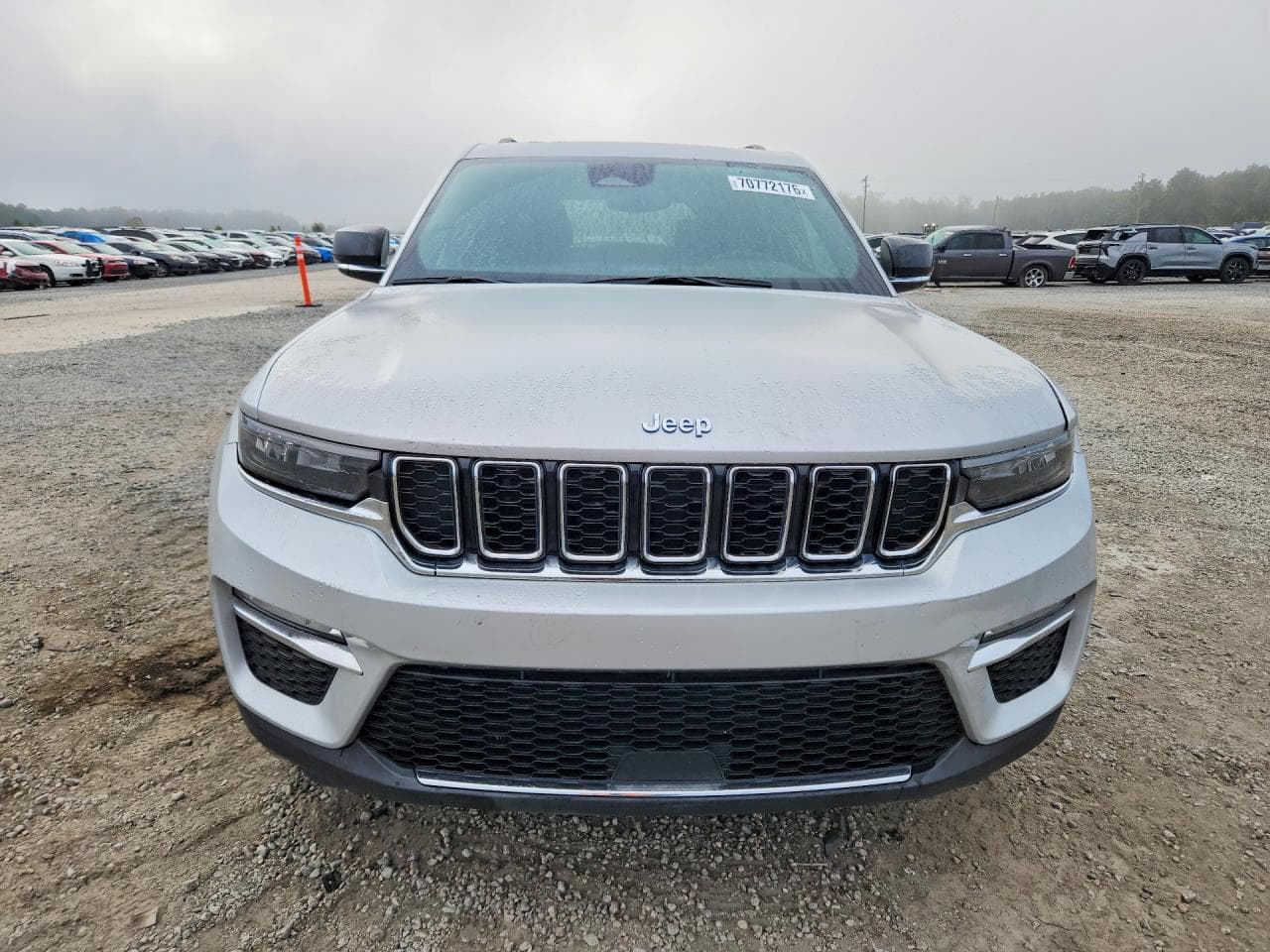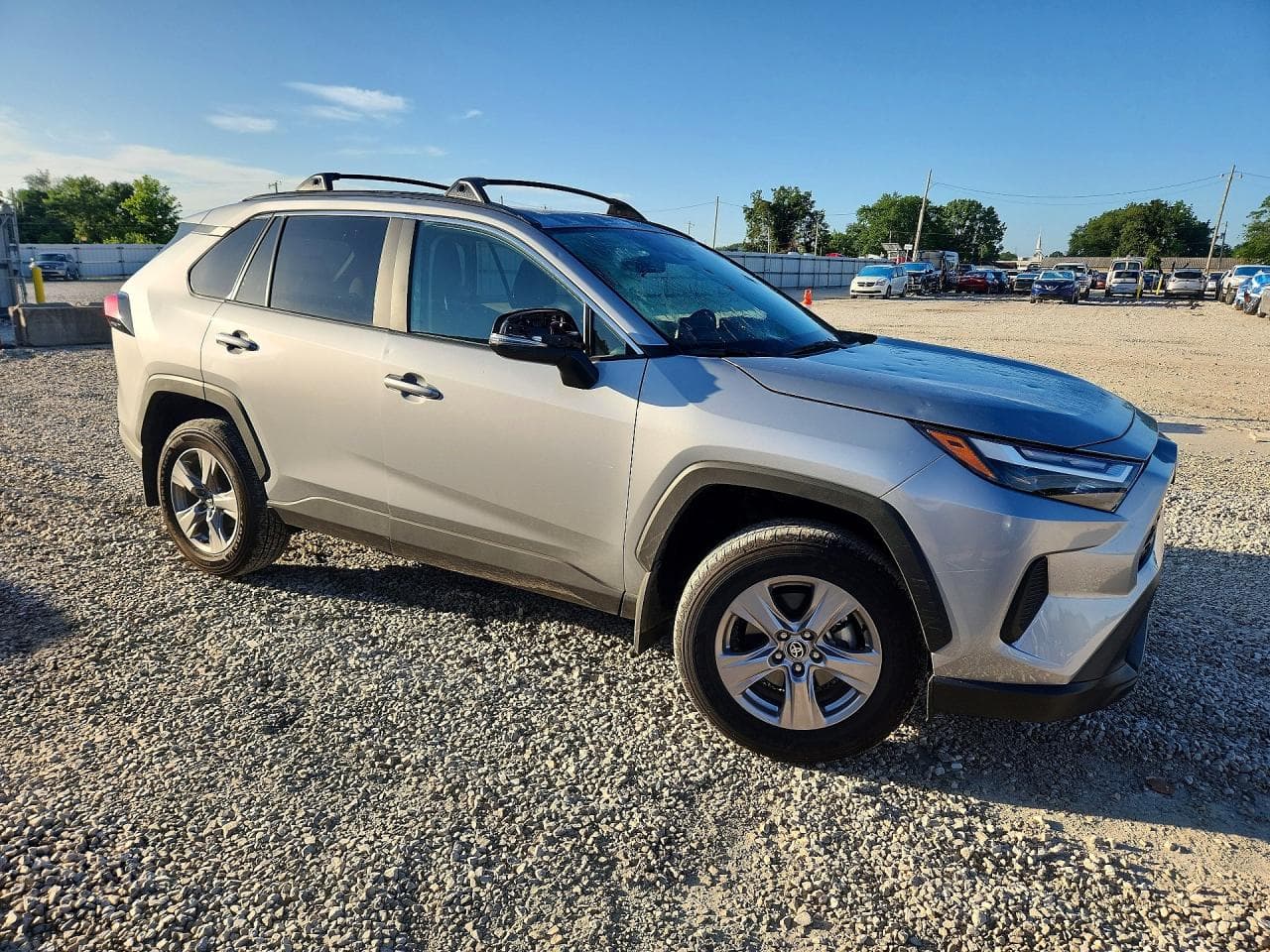
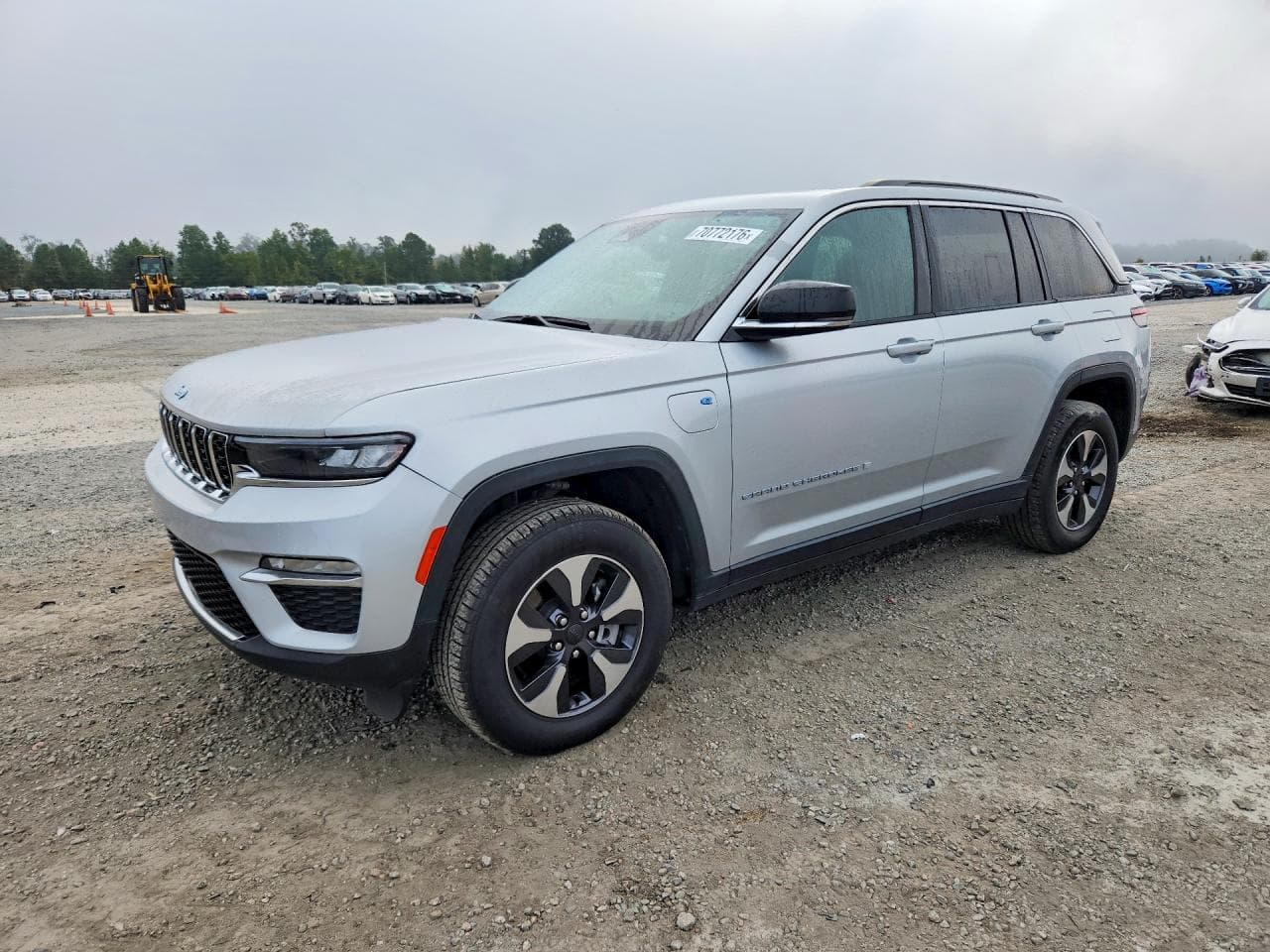
Yes, you can buy a US auction car from the Dominican Republic without flying anywhere and without a dealer license. Copart and IAAI add fresh inventory every week, and an intermediary broker lets you bid on those lots, pay for them, get the car to a US port, and ship it to the DR. This guide walks you through the full process, what to check before you bid, and how to build a realistic budget.
Why DR buyers look at US auctions
US vehicle auctions get cars from insurance companies, lenders, rental fleets, and corporate fleets. Some are damaged, others just show normal wear. For a buyer in the Dominican Republic, that opens up options the local market doesn't always have: recent model years, specific trims, and starting prices set by bidding instead of a fixed sticker.
The catch is that the hammer price is not what the car ends up costing you. On top of it come auction fees, the broker's commission, towing, ocean freight, and Dominican import taxes. People who only look at the bid price tend to get surprised. So the right order is: total budget first, bid second.
What you don't need
- No dealer license. Copart and IAAI limit many lots to licensed buyers; a broker like RCA buys on your behalf as the intermediary.
- No trip to the US. Everything happens online: search, bidding, payment, and tracking.
- No US company. You just sign up with the broker and place the bidding deposit.
For more on the license question, read how to buy from Copart without a dealer license.
Step by step: buying an auction car from the DR
- Set your all-in budget. Decide what you can spend with the car already in the DR, not what you'd like to bid. Subtract taxes, shipping, fees, and repairs from that number to find your maximum bid.
- Find the lot. The RCA app (app.rcaautobroker.com, runs in your browser) searches Copart and IAAI at once, with filters for year, price, mileage, damage type, title type, keys, and yard location.
- Study the listing. Go through every photo, the primary and secondary damage, the sale document, and the location. Pull a vehicle history report by VIN to see prior accidents, recorded mileage, and title changes.
- Run the real numbers. The budget calculator covers purchase price, buyer fee, commission, inland towing, freight to Caucedo, Río Haina, or Puerto Plata, paperwork, estimated repairs, and DR taxes.
- Place your deposit and bid. The bidding deposit is the greater of $1,000 or 10% of your maximum bid. With assisted bidding you get bid tracking: Received, In offer, Bid sent, Won, or Outbid. If you're outbid, the deposit goes back to your balance.
- Pay and schedule pickup. If you win, the lot is paid off and towing is arranged from the yard to the US departure port.
- Shipping and DR customs. The car sails to the Dominican port you picked, the paperwork is filed, and taxes are paid to the DGA before release.
To see how the bidding itself works, check out how Copart bidding works.
Before you bid: what to check when the car is going to the DR
A car can be a great buy for someone in Florida and a headache for someone in Santo Domingo. These are the checks that matter most when the destination is the Dominican Republic.
Model year
The DR caps how old an imported used light vehicle can be. The rule applied for years has been up to five years from manufacture, counted by the customs "vehicle year." Because these rules can change or carry exceptions, confirm with the DGA before bidding on a car close to the limit.
Title or sale document
At auction you'll see clean titles, salvage titles, certificates of destruction, and other state-specific documents. Not all of them allow a car to be exported and registered. If a document says the vehicle is for parts or scrap only, think twice. And the key rule: a salvage-title car can't be shipped to the DR. Under Decree 671-02, the DGA does not admit vehicles in salvage condition; the car has to be repaired, inspected, and carry a rebuilt title in the US before it ships. Learn to read them in what is a salvage title, and ask before bidding if a specific document is unclear.
Real damage and repair cost
Auction photos don't tell the whole story. A side hit can hide suspension or structural damage, and flood exposure can affect the electrical system. Budget repairs with a cushion. Our guide on how to inspect an auction car before bidding will help.
Yard location
A car in California and one in Georgia might sell for the same price but cost very different amounts to tow to the port. The farther the yard is from the departure port, the more inland transport adds up.
What it costs to bring an auction car to the DR: a sample budget
Here's a sample budget for a 2023 Honda Accord Sport Hybrid bought on Copart in California, with a rebuilt title:
| Item | Amount (example) |
|---|---|
| Purchase price | $11,900 |
| Auction buyer fee | $860 |
| RCA commission | $500 |
| Towing, yard to port | $650 |
| Titling (rebuilt title) | $700 |
| Freight to Caucedo | $1,150 |
| DR import taxes (estimate) | ≈ $10,286 |
| Approximate total | ≈ $26,046 |
A few things to keep in mind:
- Auction fees are reference figures and change; Copart and IAAI update their fee schedules.
- RCA's commission is tiered by final price: $250 (up to $5,000), $350 ($5,001 to $10,000), $500 ($10,001 to $20,000), and $700 ($20,001 and up). Dealer plan members pay $50 less.
- Taxes are an estimate: the DGA sets the final figure. See Dominican Republic car import taxes for how the math works.
- Repairs aren't included. Add them separately based on the damage.
For a fee-by-fee breakdown, read auction car fees and total cost.
Shipping and arrival in the Dominican Republic
Once the car is paid for, the logistics run through several stages: purchase, transport, shop (if needed), paperwork, inspection, customs, and arrival in the DR. At RCA you follow that path in the export CRM, so you know where your vehicle is without having to ask every day.
The most common ports for receiving cars are Caucedo, Río Haina, and Puerto Plata. Which one you choose depends on where you'll pick the car up and which sailings are available. Dig deeper in how to ship a car from the USA to the Dominican Republic.
Paperwork you'll usually need
Customs sets the exact list, but you'll typically work with:
- The vehicle's original title or sale document.
- The auction bill of sale.
- The bill of lading issued by the shipping line.
- The importer's ID and RNC or cédula number.
Always confirm with the DGA or your customs agent whether anything else is required for your case.
Common mistakes when buying from the DR
- Bidding without running the taxes. This is the most expensive mistake. In the sample above, estimated taxes nearly match the purchase price.
- Ignoring the model year. A car outside the age limit may not be allowed in.
- Trusting photos alone. Get the history report and look at the secondary damage.
- Grabbing the cheapest lot without checking the yard. Towing can wipe out the savings.
- Leaving no cushion. Small costs always show up: storage, fee changes, or parts you couldn't see.
The bottom line
Buying an auction car from the Dominican Republic is straightforward if you do it in order: all-in budget, lot review, deposit and bid, towing, shipping, and customs. What separates a good buy from a headache is almost always the math and the homework you do before bidding.
RCA Auto Broker acts as the intermediary between you and the auction: access to Copart and IAAI without a license, tools to work out the total cost including DR taxes, and tracking until your car reaches the port. If you already have a budget in mind, the next step is finding lots that fit it and reviewing them carefully.
Frequently asked questions
Do I have to travel to the US to buy an auction car?
No. You can search, bid, and pay from the Dominican Republic through an intermediary broker like RCA Auto Broker. The car is picked up at the auction yard and shipped to the port you choose.
Can I import any car I see on Copart or IAAI into the DR?
Not necessarily. The Dominican Republic has age limits and paperwork requirements for used vehicles. Check the model year and title type before bidding, and confirm current rules with the DGA (Dominican customs).
How long does it take for an auction car to reach the Dominican Republic?
It depends on where the yard is, towing availability, and vessel departures. Plan on several weeks between purchase and arrival at the port; your broker should give you an estimate for each lot.
Ready to look at real lots?
Search Copart and IAAI, see the total cost with our fee in plain sight, and track your bid from the app.