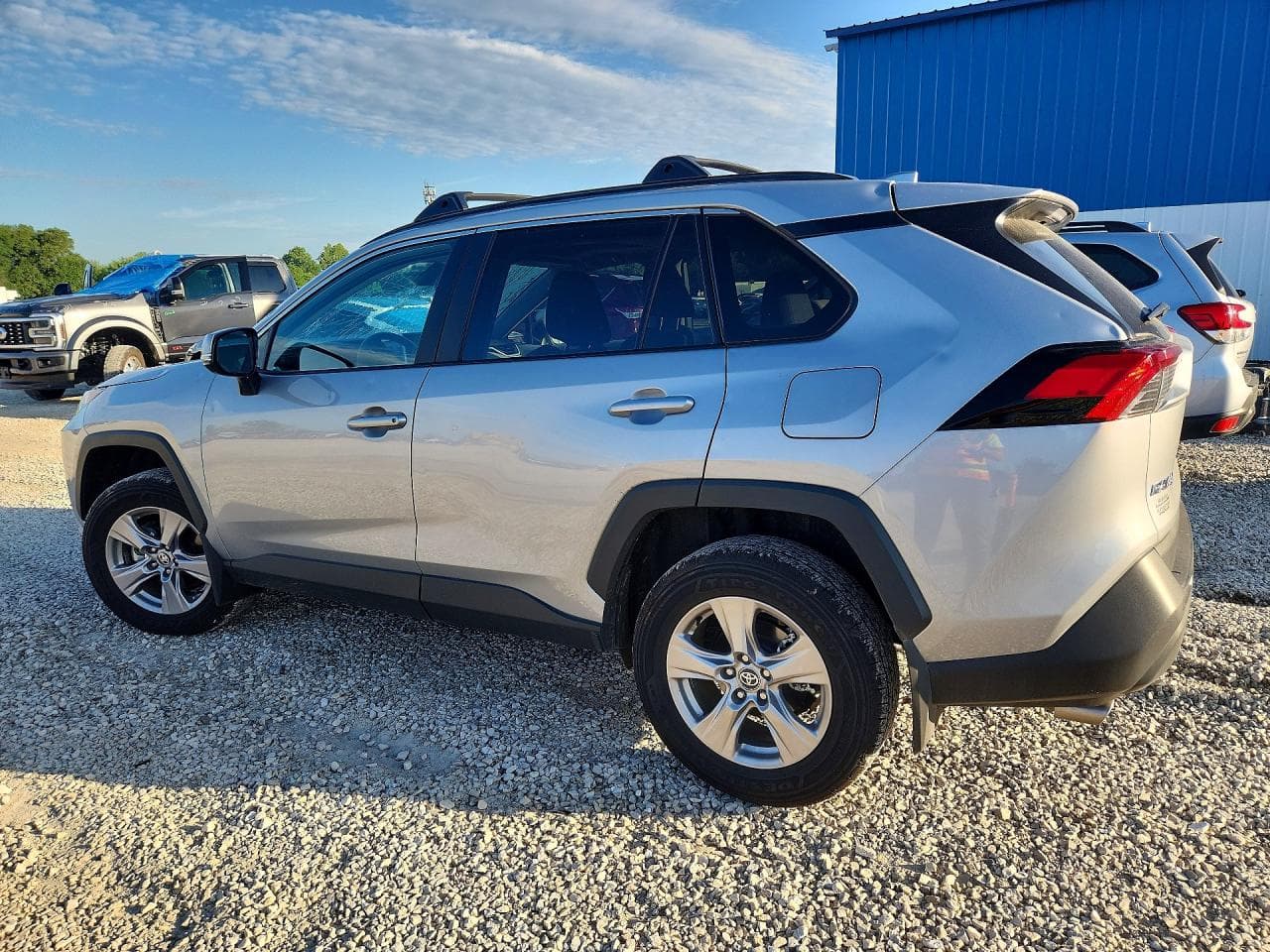
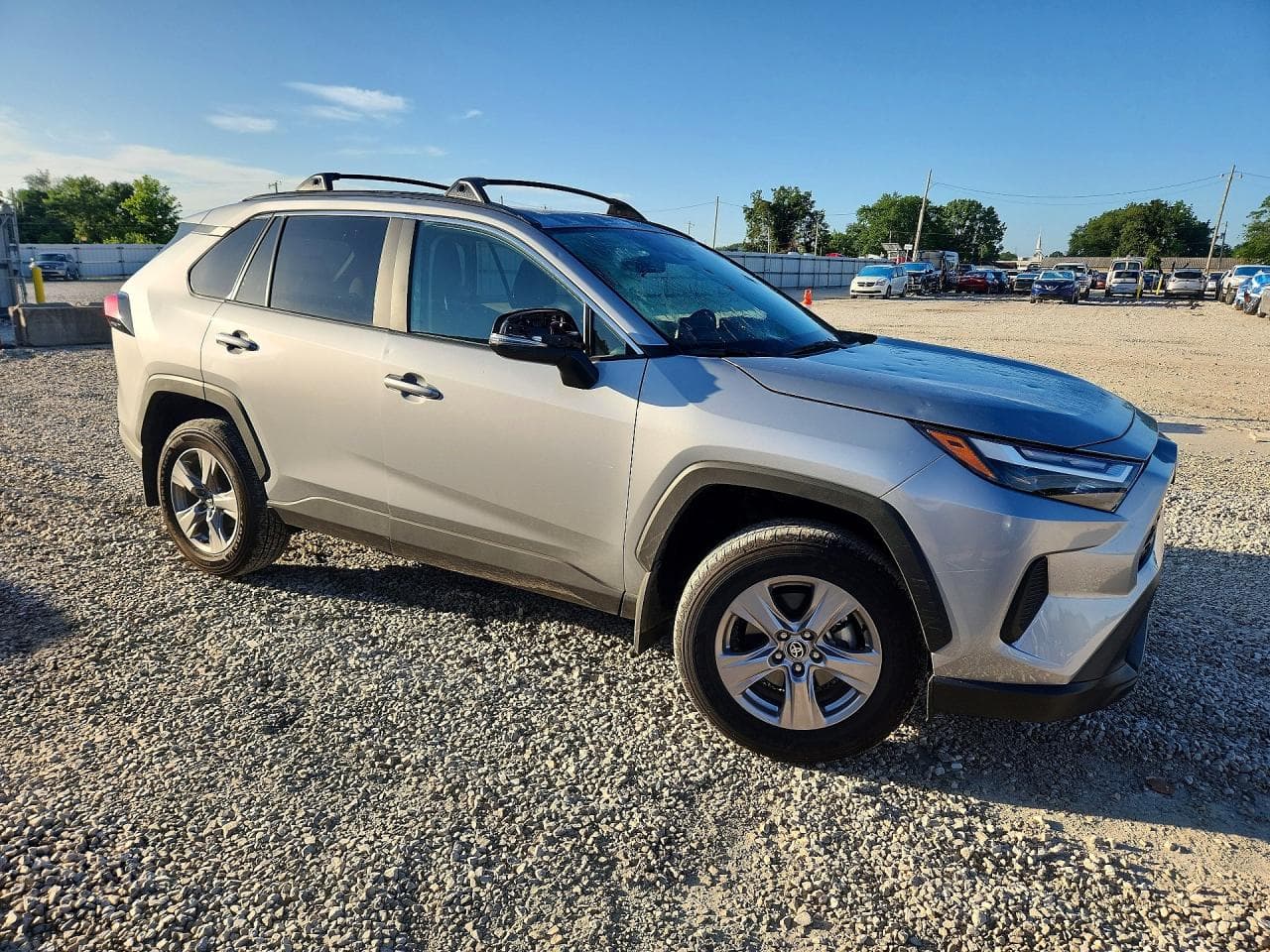
Understanding auction car damage types is the first skill you need to read a Copart or IAAI listing without guessing. Every lot carries a primary damage label and often a secondary one. Those few words change your repair budget, your risk and the most you should bid.
Here's what each category means, what it tends to hide and how we size it up at RCA Auto Broker.
Primary vs. secondary damage: how to read the label
Each listing shows two fields:
- Primary damage: the main area or type of damage, as recorded by the auction.
- Secondary damage: an additional problem the car also has.
The label is a general description, not an appraisal. "Front end" can mean a scuffed bumper or an engine shoved back into the firewall. Think of the label as telling you where to look while the photos tell you how bad it is.
One more thing: damage type and title type are not the same. A car with light damage can still carry a salvage title, and a heavily damaged one may come with different paperwork. If you need a refresher, read what is a salvage title.
The most common damage types at Copart and IAAI
Exact wording differs slightly between auctions, but these are the categories you'll see most.
Front End
One of the most common. It can involve the bumper, hood, headlights, radiator, A/C condenser and core support. In serious cases it reaches the engine, frame rails and airbags.
What to check: whether the radiator is pushed back, whether airbags deployed and whether the front wheels still sit straight.
Rear End
Trunk lid, rear bumper, taillights and sometimes the trunk floor. Pay extra attention on hybrids and EVs, since some battery packs sit toward the back.
What to check: that the trunk lid lines up and the trunk floor isn't buckled.
Side
A hit to the doors, fenders or pillars. If the impact reaches the B-pillar or rocker panel, you're looking at far more than a door swap.
What to check: door gaps, the pillar and whether side curtain airbags deployed. The 2023 Honda Accord we use as an example in other guides had side and front damage. The side damage is easy to spot; what matters is confirming it didn't reach the structure.
All Over
Damage on multiple sides of the car, often after a rollover or several impacts. Expect major repairs and higher risk.
Hail
Dents on the roof, hood, trunk and sometimes pillars. If the glass is intact and nothing else is wrong, it's often cosmetic. Light hail can be handled with paintless dent repair (PDR); heavy hail may need panels replaced.
What to check: how many dents, how deep, the windshield condition and whether panels are aluminum, which drives repair cost up.
Water/Flood
One of the riskiest. Water attacks electronics, modules, wiring, sensors and the interior, and problems can surface weeks or months later.
What to check: how high the water got (silt lines), rust on seat rails and under the dash, and what the vehicle history report says.
Mechanical
The car may look fine on the outside but has an engine, transmission or other system failure, sometimes with no known cause.
What to check: whether it starts, which warning lights are on and whether the model has known issues. This is where you need the biggest contingency.
Minor Dent/Scratches
Body and paint damage with no obvious structural impact. Usually among the more predictable categories, though the car may still be branded salvage for other reasons, such as a theft recovery.
Normal Wear
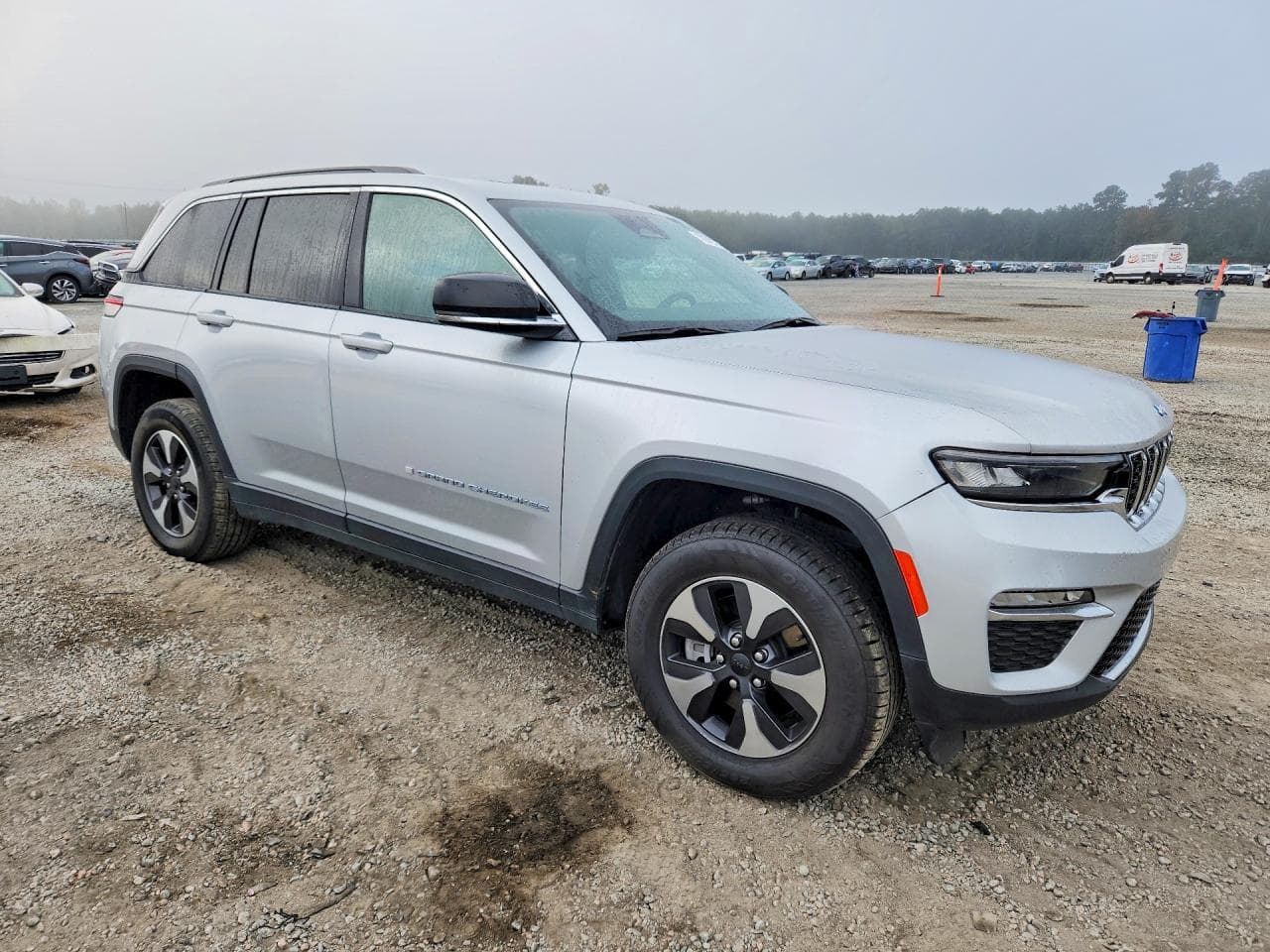
No specific impact, just the wear you'd expect from age and miles. Common with fleet units, lease returns and repossessions. The 2024 Jeep Grand Cherokee 4xe in our sample photos falls into this group.
What to check: the title type (many of these lots aren't salvage), mileage, tires and interior condition.
Burn
Can be partial (engine or interior) or total. Fire damages wiring, plastics and components that photos rarely capture. Almost always a high-risk category.
Vandalism
Broken glass, keyed paint, slashed interiors or stolen parts. Cost depends on what's missing or ruined.
Less common labels
- Top/Roof: damage to the roof, sometimes from falling objects.
- Undercarriage: floor pan, exhaust or suspension damage.
- Suspension: bent components from potholes or curb strikes.
- Electrical: module or wiring faults.
- Stripped: major parts are missing.
- Biohazard/Chemical: needs specialized cleanup before any repair.
Start status: the label that goes with the damage
Alongside damage type, auctions usually note how the car arrived:
| Label | What it means |
|---|---|
| Run and Drive | Started, went into gear and moved under its own power at check-in. |
| Starts | The engine started, but movement wasn't confirmed. |
| Stationary | Didn't start or didn't move. |
None of these is a guarantee. They describe what happened on one particular day at the yard. Still, a "Run and Drive" car with light front damage deserves a very different bid than a "Stationary" one with the same label.
How to use damage type to set your bid
Damage type is for filtering and prioritizing, not for deciding on its own. Here's how we use it:
- Filter by damage based on your risk tolerance. First-time buyers usually do better starting with hail, normal wear or minor damage.
- Open every photo and confirm the real damage matches the label. We cover that in how to inspect an auction car before bidding.
- Run a vehicle history report on the VIN to catch prior damage.
- Estimate repairs with a cushion for what you can't see.
- Calculate the total cost (hammer price, auction fees, broker fee, towing, repairs and any shipping) and subtract it from the car's finished value to find your max bid.
A quick rule of thumb: the label sets your expectations, the secondary damage sets your contingency, and the start status tells you how much of a gamble the drivetrain is. If all three point in the same direction, you have a clearer picture. If they contradict each other, slow down and dig deeper before you bid.
In the RCA app you can filter Copart and IAAI lots by damage type, see primary and secondary damage on each listing and run the numbers in the Total Budget Calculator before you bid.
The bottom line
Auction car damage types give you a quick read on how complicated a lot might be: front end, rear end, side, hail, flood, mechanical, normal wear and the rest. But the label is only the starting point. A good buy comes from confirming the damage in photos, checking the history and getting the math right.
RCA Auto Broker is the intermediary between you and the auction. We help you interpret each lot, estimate your all-in budget and place your bid with bid tracking, from any US state, no dealer license required.
Frequently asked questions
What's the difference between primary and secondary damage?
Primary damage is the most obvious or most significant damage the auction recorded. Secondary damage is an additional issue you also need to budget for, and sometimes it's the more expensive one to fix.
Which auction damage type is easiest to repair?
It depends on the car, but cosmetic damage such as light hail, minor dents or normal wear is usually more predictable than flood, fire or structural damage. Always confirm with the photos and a vehicle history report.
Does the damage type determine the title?
Not directly. The title depends on the insurance company's decision and the state where the car is sold. A lightly damaged car can carry a salvage title, so check damage and title as two separate things.
Ready to look at real lots?
Search Copart and IAAI, see the total cost with our fee in plain sight, and track your bid from the app.