Knowing how to inspect an auction car before bidding is what separates a smart buy from an expensive lesson. At Copart and IAAI you almost never get to test drive anything. You're buying what the photos show and what the lot listing says, and if you know where to look, those two sources tell you a lot.
Here's the same step-by-step review we run at RCA Auto Broker before we recommend a bid to a client.
Why you need to inspect an auction car before bidding
Auction vehicles are sold as-is, where-is. No warranty, no returns if you change your mind, and the auction isn't responsible for hidden damage. Once the hammer drops and you win, you pay.
That doesn't make auction cars a bad deal. It just means your homework happens before you bid, not after. Twenty minutes of careful review can save you hundreds or thousands in repairs you never budgeted for.
Step 1: Go through every photo, not just the first one
The lead photo is usually the most flattering angle. The real damage tends to hide in the rest of the gallery, so open each image and zoom in.
Exterior red flags
- Uneven panel gaps: if the hood, doors or trunk don't line up, there may be structural damage underneath.
- Deployed airbags: check the steering wheel, dash and side curtains. If they've gone off, add replacement to your budget, and it isn't cheap.
- Wheel and suspension angle: a wheel tucked in or pushed out usually points to suspension or frame damage, not just a body panel.
- Radiator and core support: on front-end hits, see whether the radiator and core support have been pushed back.
- Water lines: mud or silt marks on door panels or in the engine bay are a classic flood warning.
Interior red flags
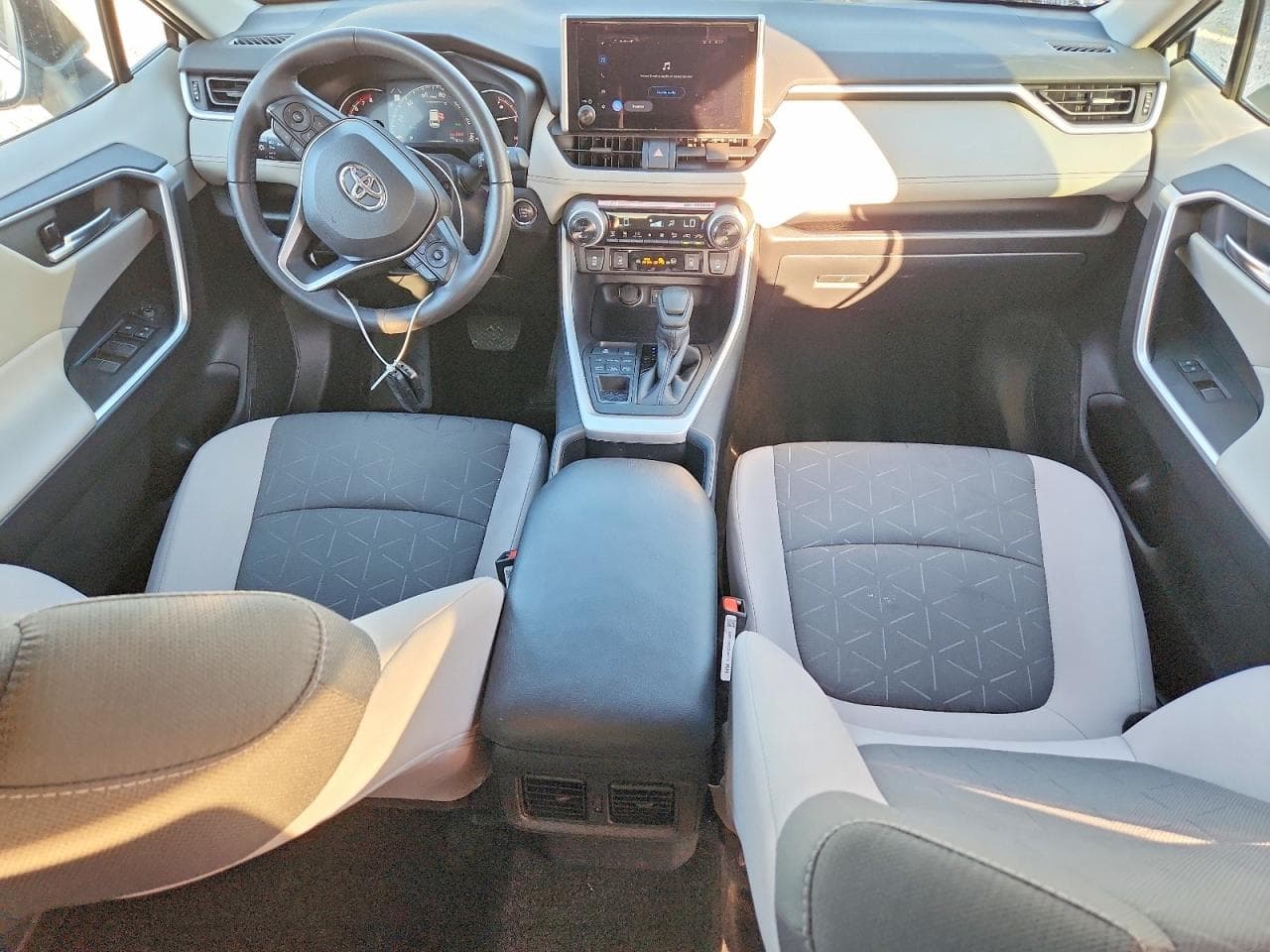
- Dash lit up: if there's a photo with the car running, check the odometer and warning lights (check engine, airbag, ABS).
- Carpets and seats: stains, dampness or rust on the seat rails can indicate water exposure.
- Keys: confirm whether the listing says keys are present. A no-key car can be harder and more expensive to move.
Step 2: Read the lot listing carefully
Every lot comes with details many buyers skim past. These matter most:
- Primary and secondary damage: the primary is the most visible, but the secondary can be the costliest. "Front end" plus a "mechanical" secondary is a very different car.
- Title or sale document: a clean title, a salvage certificate and a parts-only document are not the same thing. Title type decides whether you can register and drive the car in your state. For the full breakdown, see what is a salvage title.
- Start status: labels like "Run and Drive," "Starts" or "Stationary" describe how the car arrived at the yard, not how it runs today.
- Odometer: note whether mileage is listed as actual, not actual or exceeding mechanical limits.
- Yard location: distance to your home or shop drives your towing cost.
Step 3: Check the VIN
The VIN (vehicle identification number) is the car's fingerprint. Use it to confirm:
- The year, make, model and trim match what the auction lists.
- The engine and equipment are what you expect (a hybrid and a gas-only version are not interchangeable).
- The history: prior accidents, previous title brands, theft records and odometer readings.
That's exactly what a vehicle history report is for. In the RCA app you can pull one by VIN and download it as a PDF before you commit. If the report shows the car was already branded salvage once, or the mileage doesn't add up, you want to know now, not after you've paid.
Step 4: Work out the total cost before setting your max bid
Plenty of buyers inspect the car well and then get the math wrong. The hammer price is only the start. On top of it you'll typically pay:
- The auction's buyer fee plus other charges (virtual bid fee, gate fee, environmental fee, title mailing). These are reference numbers and can change.
- The broker fee.
- Towing from the yard to your shop or port.
- Storage if you don't pick up on time.
- Repairs: what you saw in the photos, plus a cushion for what you didn't.
- Shipping and import taxes if the car is going overseas.
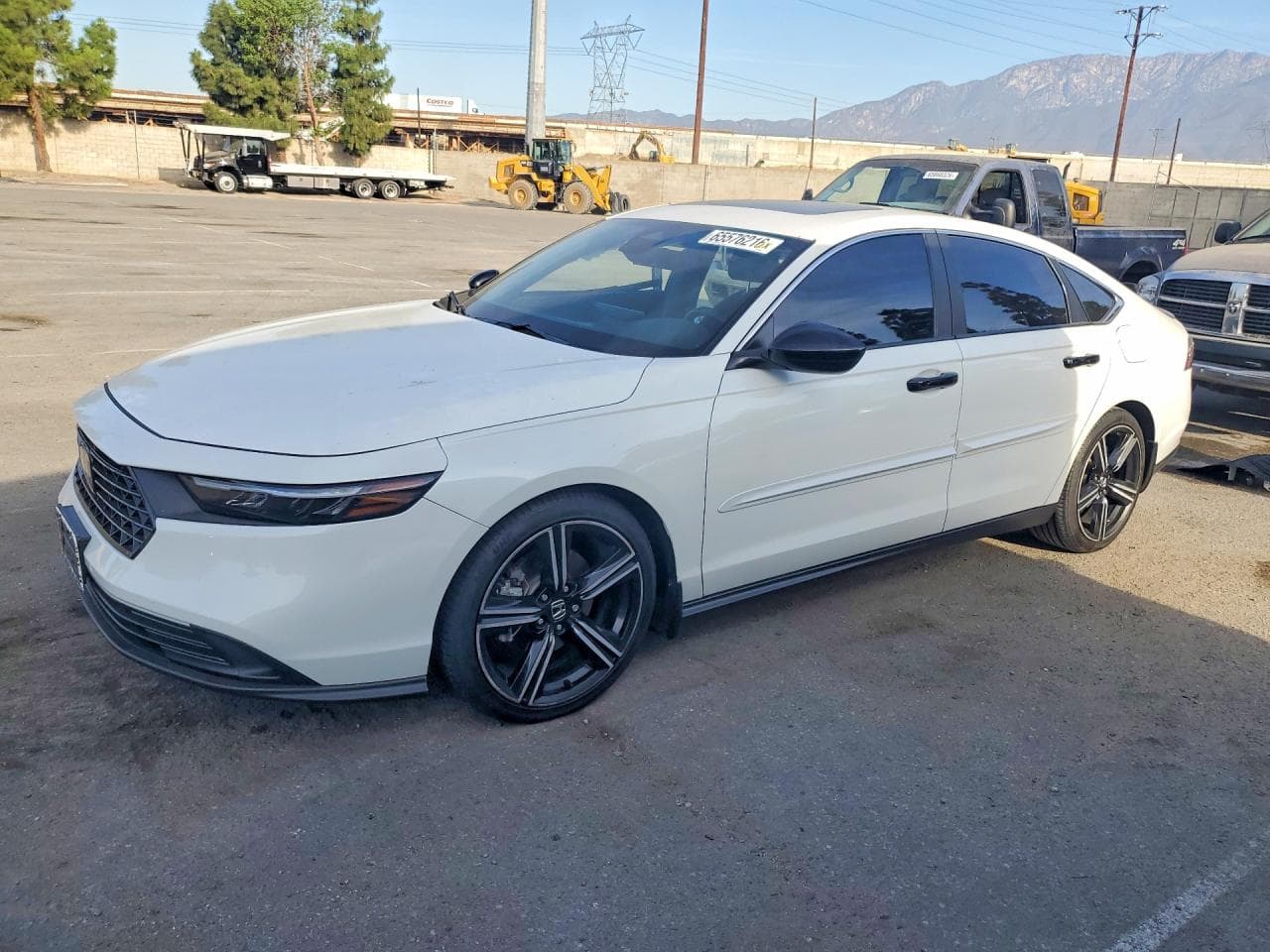
As an example, on a 2023 Honda Accord Sport Hybrid with a rebuilt title bought for $11,900, the estimated landed cost in the Dominican Republic (fees, broker fee, towing, titling, ocean freight and taxes) came to roughly $26,046. That's an example, not a quote. Our guide to auction car fees and total cost walks through every line item.
Your max bid should be what's left after you subtract all of those costs from what the car will be worth once it's repaired. If the numbers don't work, don't bid.
Step 5: Compare the lot against similar cars
Before you fall for one car, pull up comparable lots: same model, nearby years, similar damage. That tells you:
- Whether this lot's damage is lighter or heavier than typical.
- Whether the title situation is better or worse.
- How far it sits from you compared with other options.
The RCA app lets you search Copart and IAAI side by side, filtering by year, price, mileage, damage, title type, keys and location, so you can compare without juggling twenty browser tabs.
Warning signs that should make you walk away
Sometimes the smartest move is to skip to the next lot:
- Flood or water damage with an unclear history, especially on electronics-heavy cars.
- Deployed airbags plus structural damage on a lower-value car, where repairs can outrun what it's worth.
- A VIN that doesn't match the description, or any sign of tampering.
- Parts-only or junk paperwork when you plan to drive or register the car.
- Too few photos, conveniently skipping the damaged area.
- Odometer flagged as not actual with no explanation in the history.
None of these is an automatic deal-breaker on its own, but each one raises the risk. When two or three show up together, think hard.
What photos can't tell you
No matter how careful you are, some things only show up once the car is in a shop: true engine and transmission condition, intermittent electrical faults, damage hiding behind panels. That's why you should always build a contingency into your repair budget.
A good inspection doesn't eliminate risk. It shrinks it and makes it measurable.
The bottom line
Inspecting an auction car before bidding comes down to five steps: review every photo, read the full listing, verify the VIN with a vehicle history report, calculate the total cost and compare against similar lots. If the information and the numbers line up, bid with confidence. If not, wait. There's always another car.
RCA Auto Broker is the intermediary between you and the auction. We help you review the lot, pull the history report, estimate your all-in budget and place your bid, with bid tracking at every stage. That way you can buy from any US state, no dealer license needed, with all the facts in front of you.
Frequently asked questions
Can I see an auction car in person before I bid?
Some yards allow previews, but it depends on the location and the lot. If you can't go, high-resolution photos, a vehicle history report and a second opinion from a broker are your best tools.
What does 'Run and Drive' mean at a car auction?
It means the car started, went into gear and moved forward when it was checked in at the yard. It is not a guarantee of its condition today, and it says nothing about long-term engine or transmission health.
Should I run a vehicle history report on every lot?
On every lot you are seriously planning to bid on, yes. It reveals prior accidents, title changes and odometer readings that photos simply can't show.
Ready to look at real lots?
Search Copart and IAAI, see the total cost with our fee in plain sight, and track your bid from the app.