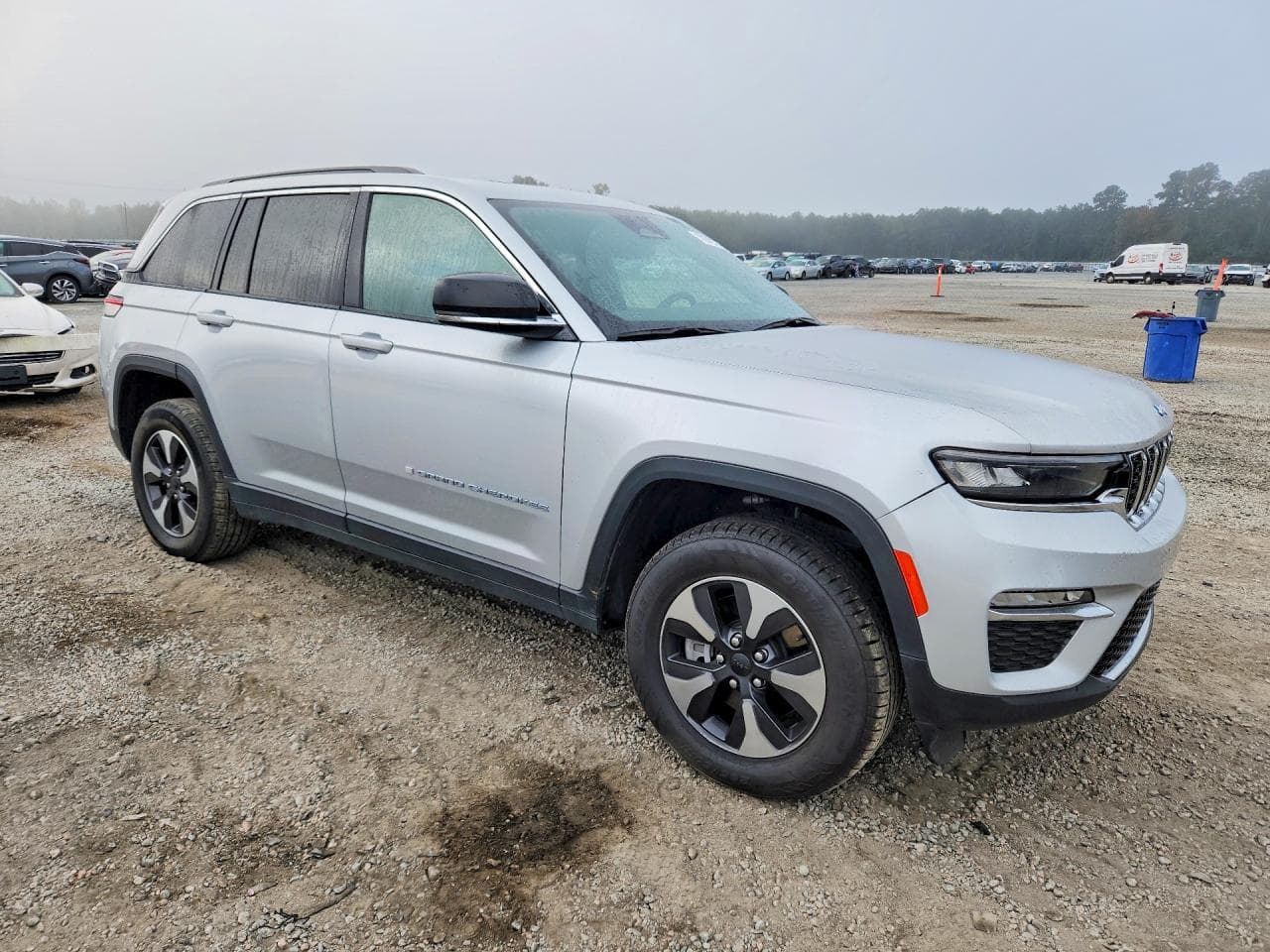
Understanding auction car fees and total cost is the difference between a smart buy and an expensive surprise. The winning bid is only the starting line: auction fees, the broker fee, towing, ocean freight and — if the car is exported — import taxes all stack on top. Below, we break down every line and walk through a complete sample budget so you know what to expect before you bid.
The Classic Mistake: Looking Only at the Bid
On Copart or IAAI, the biggest number on the lot page is the current bid. It's tempting to think, "That's what this car costs." It isn't.
The bid is just the base. Some charges are mandatory, others depend on where the car sits and where it's headed. A car that looks cheap at a far-away yard can end up costing more than one with a higher bid that's closer to you.
So the golden rule is simple: work out your max bid from the total cost, not the other way around.
Every Line Item in an Auction Car Purchase
These are the costs that show up on nearly every deal. Auction figures are reference numbers and can change.
1. Purchase price (your winning bid)
What you bid and won. Everything else builds on this, because several fees scale with the price.
2. Auction fees
Each auction runs its own schedule. As a reference, RCA uses Copart's schedule for secured payment on non-clean titles, which includes:
- Buyer fee, tiered by price. For example, $860 on an $11,900 purchase; from $15,000 up it's 6% of the price.
- Virtual bid fee for bidding online, up to $160.
- Gate fee, $95.
- Environmental fee, $15.
- Title mailing fee, $15.
These amounts change whenever the auction updates its schedule, and IAAI's are different. For a side-by-side look, read Copart vs IAAI.
3. Storage
Auctions give you only a few days to pick the car up. After that, they charge storage by the day. The fix: have transport booked before you win.
4. Broker fee
If you buy without a dealer license, you pay the intermediary's fee. RCA charges by final price tier:
- $250 for a final price up to $5,000.
- $350 from $5,001 to $10,000.
- $500 from $10,001 to $20,000.
- $700 from $20,001 and up.
On the Dealer plan, it's $50 less on every purchase.
5. Inland towing
Moves the car from the yard to the port or to your driveway. Price depends on distance, vehicle size and whether the car rolls. A non-running car needs special equipment and usually costs more.
6. Ocean freight (if exporting)
Shipping to the Dominican Republic adds freight to Caucedo, Río Haina or Puerto Plata. The cost depends on the departure port, vehicle type and carrier. More in shipping a car from the USA to the Dominican Republic.
If the car stays in the US, plan instead for your state's sales tax, title and registration costs, plus any inspection a branded title requires. Those vary by state, so check with your local DMV.
7. Dominican Republic import taxes
This is the line that surprises people most. Under the reference rules RCA's calculator uses:
- The starting point is the vehicle's reference value in the DGA database, not what you paid at auction.
- CIF = value + freight + insurance (2%).
- On the CIF: 20% tariff, 18% ITBIS (VAT), 15% excise and 2% CO2.
- Add first plate ($150) and annual sticker ($30), among other adjustments.
Example from the database: a 2023 Honda Accord EX with a reference value of $14,955 comes to a CIF of about $16,104 (with $850 freight) and estimated taxes of ≈ $10,286. It's an estimate; the DGA sets the final figures. Full breakdown in Dominican Republic car import taxes.
8. Repairs, paperwork and extras
Parts, labor, title work, inspections and export costs. These swing widely with the damage and destination, so build in a cushion.
Sample Budget, Line by Line
This is a sample, not a quote. Vehicle: 2023 Honda Accord Sport Hybrid at Copart (California), rebuilt title, shipped to Caucedo.
| Item | Amount (example) |
|---|---|
| Purchase price | $11,900 |
| Buyer fee | $860 |
| RCA broker fee | $500 |
| Towing to port | $650 |
| Titling (rebuilt title) | $700 |
| Freight to Caucedo | $1,150 |
| DR import taxes (estimate) | ≈ $10,286 |
| Estimated total | ≈ $26,046 |
Three things stand out:
- DR taxes come close to the bid itself. You can't budget a car for the Dominican Republic without estimating them.
- The example leaves out repairs, other auction fees like the virtual bid, gate and environmental fees, and any storage days. Add those for a real deal.
- Change the bid and the buyer fee and broker fee change too. DR taxes, though, follow the reference value, not your bid.
How to Set Your Maximum Bid
Work backward:
- Decide your all-in budget for the car repaired and ready.
- Subtract the costs that don't depend on the bid: towing, freight, estimated taxes, repairs and paperwork.
- What's left covers bid + auction fees + broker fee. Adjust until that sum fits.
- That's your ceiling. In the live auction, don't go past it.
Before you bid, review the photos and pull a vehicle history report by VIN. A surprise in the history can change your repair estimate. See how to inspect an auction car before bidding.
How the RCA App Helps You Run the Numbers
The RCA app (app.rcaautobroker.com, runs in your browser) has two tools built for this:
- Total Budget Calculator: adds purchase, buyer fee, gate and storage, broker fee, transport, paperwork, repairs, export and DR taxes.
- DR Tax Calculator: uses the reference-value database to estimate what you'd pay at customs.
Each lot page also shows a shipping quote to DR ports. To bid, you place a deposit of the greater of $1,000 or 10% of your maximum bid, and it returns to your balance if you're outbid.
The Bottom Line
An auction car doesn't cost what the bid says. It costs the bid plus auction fees, the broker fee, towing, freight, taxes where they apply and repairs. Fees change, so treat every number as a reference and price each lot on its own.
RCA Auto Broker is the intermediary between you and the auction. We give you the tools to see the full cost before you bid and support you through the purchase — from anywhere in the US or the Dominican Republic, no dealer license needed.
Frequently asked questions
Is the winning bid the price I pay for the car?
No. On top of the bid you'll pay auction fees, the broker fee, towing and, depending on where the car goes, shipping and taxes. The final cost can be far higher than the bid.
Are Copart fees always the same?
No. Copart and other auctions update their fee schedules, and fees depend on the sale price, title type and payment method. Treat any number as a reference and check the current schedule before bidding.
How are import taxes calculated for a car going to the Dominican Republic?
They start from the vehicle's reference value in the DGA customs database and are calculated on the CIF value. RCA's DR Tax Calculator gives you an estimate; the DGA sets the final amounts.
Ready to look at real lots?
Search Copart and IAAI, see the total cost with our fee in plain sight, and track your bid from the app.