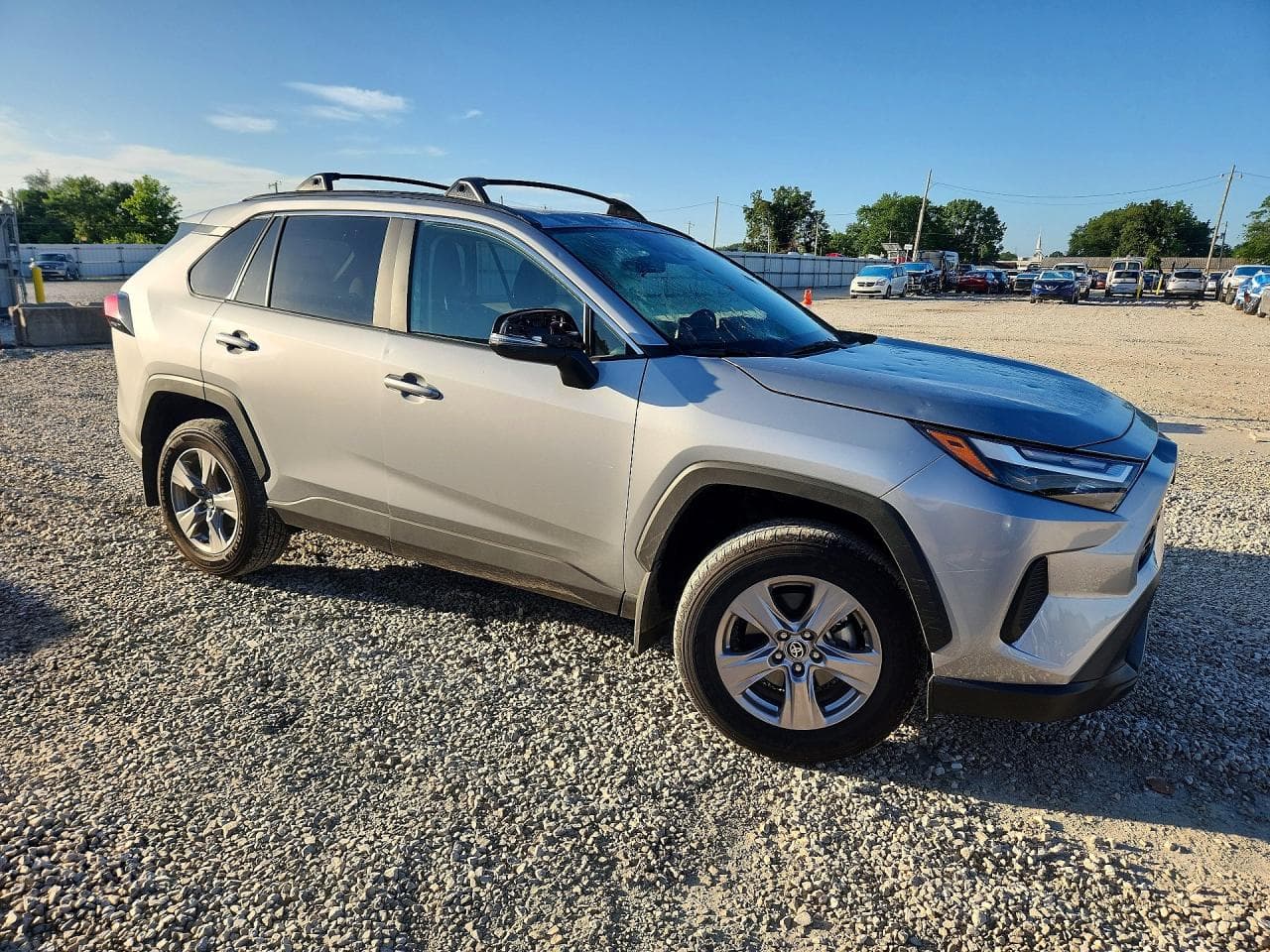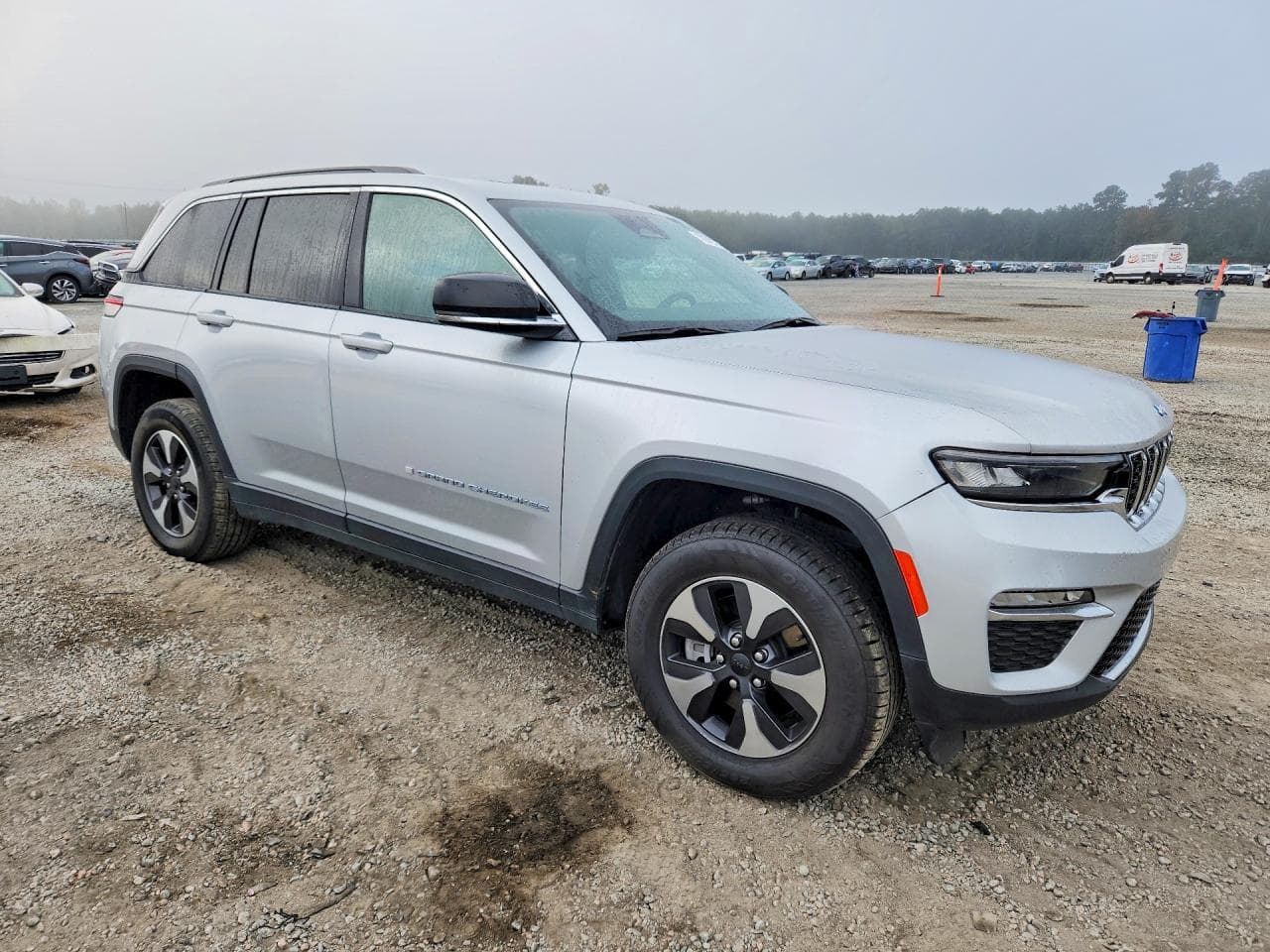
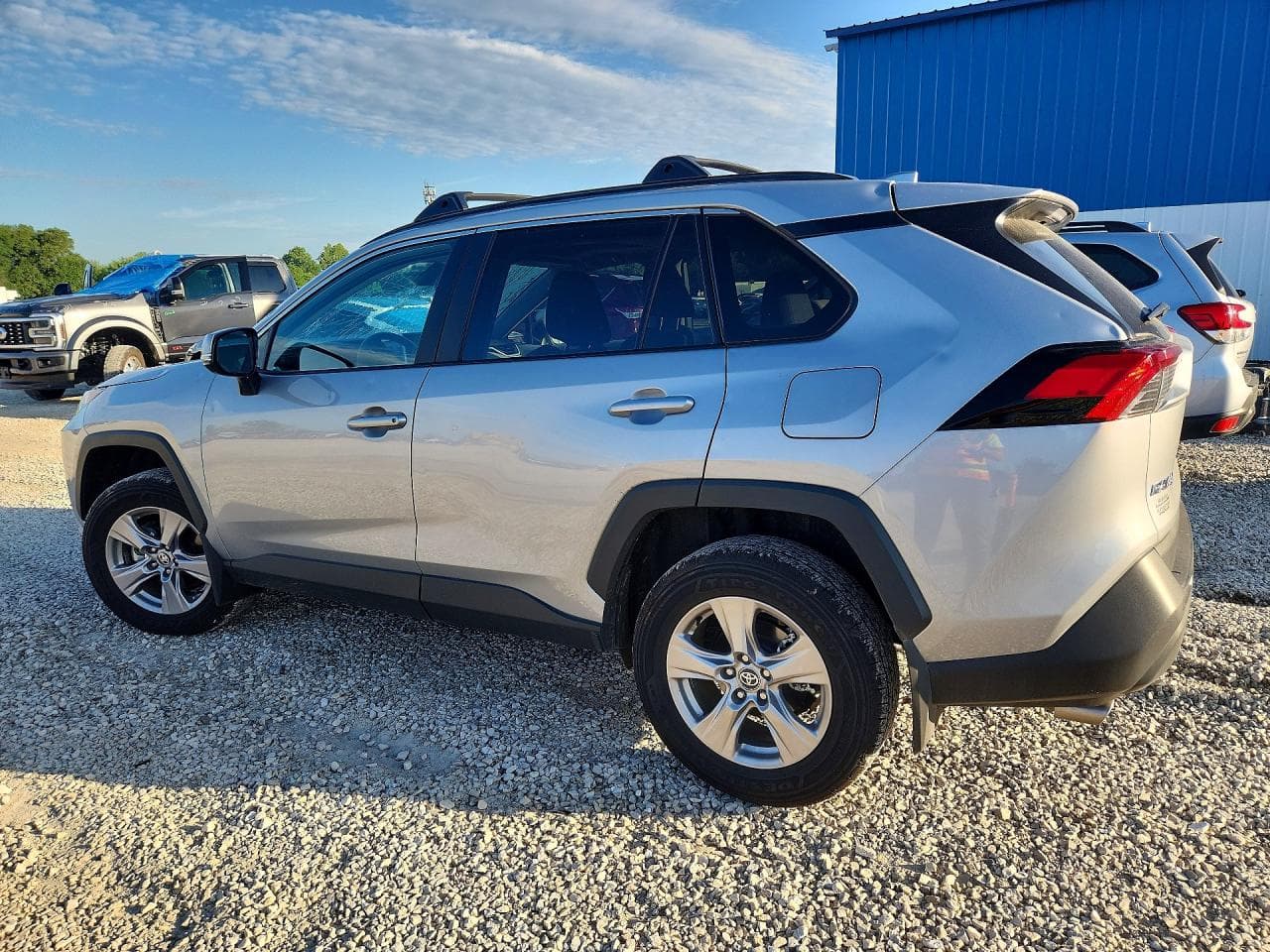
When people search Copart vs IAAI, they usually want to know which auction to use. Here's the honest answer: both are large online auctions for insurance and fleet vehicles in the US, and their inventory overlaps a lot. The real differences are in the details — bidding format, how lots are presented, fees, and pickup rules — and those details change what you actually pay.
What Copart and IAAI Are (and Why It Matters)
Copart and IAA (Insurance Auto Auctions, often called IAAI) are where most salvage and used auction vehicles change hands in the US. The bulk of their inventory comes from insurance companies that totaled a car, but you'll also find vehicles from lenders, rental and fleet companies, dealers and charities.
That means both auctions carry the same kinds of cars:
- Vehicles with collision, hail, flood or fire damage.
- Theft recoveries, sometimes with little or no damage.
- Cars with normal wear coming off fleets or lease returns.
- A range of titles: clean, salvage, certificates of destruction and other state-specific documents.
So there's no "good-car auction" and "bad-car auction." The car you want could be listed on either one this week.
Copart vs IAAI: The Main Differences
These are the differences you notice once you're actually buying. Keep in mind both platforms update their rules and features over time, so always double-check the lot page.
Bidding format
- Copart uses a preliminary bidding window in the days before the sale, followed by a virtual live auction where lots sell one after another in seconds.
- IAAI also offers pre-bidding and live online auctions, and on many lots adds buy-it-now style options or timed formats, depending on the inventory.
Either way, show up with your maximum bid already set. Live bidding moves fast and doesn't leave room to think.
Sale conditions
Both auctions flag whether a lot sells with no reserve or whether the seller has to approve the final bid. That matters: winning a bid "subject to approval" doesn't always mean the car is yours. Read that line before you bid.
Photos and lot information
Both show photos, primary and secondary damage, reported mileage, whether keys are present and the title type. Photo quality and count vary by lot and by yard. Some yards add engine-running videos or labels like "starts" or "run and drive," but those labels are not a mechanical guarantee.
Buyer fees
Each auction publishes its own tiered fee schedule: buyer fee, online bidding fee, gate fee, environmental fee and more. The amounts aren't the same between Copart and IAAI, and they change whenever the auction decides. Compare the total cost of each lot, not just the bid. For a full breakdown, see auction car fees and total cost.
Payment and pickup deadlines
Both Copart and IAAI give you only a few business days to pay and to get the car out of the yard. Miss the window and daily storage charges kick in. If you're buying from out of state or overseas, line up transport before you win.
Which One Should You Use? Judge the Lot, Not the Logo
"Which is better?" sounds like the right question, but from a broker's seat it tends to lead to bad decisions. A better approach is to compare individual lots using these criteria:
- Title type. Check which document the car comes with and whether it can be registered or exported where you need it. If title brands are new to you, start with what a salvage title is.
- Damage type. A light side hit is a different world from water damage. Read the primary and secondary damage and look at every photo.
- Yard location. A cheap car far from your destination or port can end up costing more than a slightly pricier one nearby. Towing adds up.
- That auction's fees at that price. Run the numbers with the current schedule of the auction where the car sits.
- Vehicle history. Before bidding, pull a vehicle history report by VIN to check prior accidents, mileage and past titles.
Do this and sometimes a Copart lot wins, sometimes an IAAI lot does. What never changes is that the real number comes from adding everything up.
What Buyers Without a Dealer License Should Know
On both Copart and IAAI, many lots require a dealer license to bid directly, especially those with branded titles. Each state also has its own rules about who can buy which documents.
That's where an intermediary broker comes in: the broker bids on your behalf, so you don't need a license. With RCA Auto Broker, anyone in any US state — or in the Dominican Republic — can buy without a dealer license. We walk through it step by step in how to buy from Copart without a dealer license.
A few things to know before you start:
- Bidding deposit. At RCA, the deposit is the greater of $1,000 or 10% of your maximum bid. If you're outbid, the deposit goes back to your account balance.
- Broker fee. This is separate from the auction's fees. RCA charges by final price tier: $250 (up to $5,000), $350 ($5,001 to $10,000), $500 ($10,001 to $20,000) or $700 ($20,001 and up).
- No mechanical warranty. Auction cars sell as-is. Your homework is the photos, the history report and the lot details. It helps to read how to inspect an auction car before bidding.
Comparing Copart and IAAI in One Place
Jumping between two sites, two fee schedules and two lot layouts is tiring, and it's how mistakes happen. That's why the RCA app (app.rcaautobroker.com — runs in your browser, nothing to download) puts Copart + IAAI inventory into one search.
You can filter by:
- Year, price and mileage.
- Damage type.
- Title or document type.
- Keys present.
- State or yard location.
Each lot page shows photos, primary and secondary damage, the sale document, location and a shipping quote to Dominican Republic ports (Caucedo, Río Haina and Puerto Plata). The Total Budget Calculator adds up the purchase, buyer fee, gate and storage, broker fee, transport, paperwork, repairs, export and DR taxes, so you can compare two lots fairly.
When you're ready to bid, assisted bidding gives you bid tracking: Received, In offer, Bid sent, then Won or Outbid.
Common Mistakes When Choosing Between Copart and IAAI
- Sticking to one auction out of habit. You miss half the inventory.
- Comparing bids without fees. Two cars with the same bid can land at very different totals because of fees and location.
- Trusting "run and drive." It's a yard observation at one moment, not an inspection.
- Not planning pickup. Storage days pile up fast if you don't have a tow ready.
- Bidding on emotion. Set your ceiling beforehand and stick to it.
The Bottom Line
Copart vs IAAI isn't a contest with a permanent winner. Both sell similar vehicles under their own rules and fees, and both change over time. What protects you is judging each lot by its title, damage, location and total cost — not by the auction's name.
RCA Auto Broker is the intermediary between you and the auction: you search Copart and IAAI in one place, see the full budget and bid without a dealer license, whether you're in the US or the Dominican Republic. Your trusted broker, on the buyer's side.
Frequently asked questions
Is Copart or IAAI better for buying a car?
Neither one wins every time. Both sell insurance and fleet vehicles, many with damage or branded titles. Compare the specific lot instead: condition, title, yard location and total cost.
Can I buy from Copart and IAAI without a dealer license?
Many lots require a license to bid directly. Through an intermediary broker like RCA Auto Broker, you can bid on both auctions without one, from any US state or from the Dominican Republic.
Are Copart and IAAI buyer fees the same?
No. Each auction has its own tiered fee schedule and updates it on its own timeline. Always check the current schedule before you bid and treat any number you see as a reference only.
Ready to look at real lots?
Search Copart and IAAI, see the total cost with our fee in plain sight, and track your bid from the app.